East Coast Heritage

East Coast Heritage and Sayings

  • East Coast Heritage
  • East Coast History
  • East Coast State of Mind Shop
  • About Me
    • Contact
  • Posts
  • East Coast Sayings

Powered by Genesis

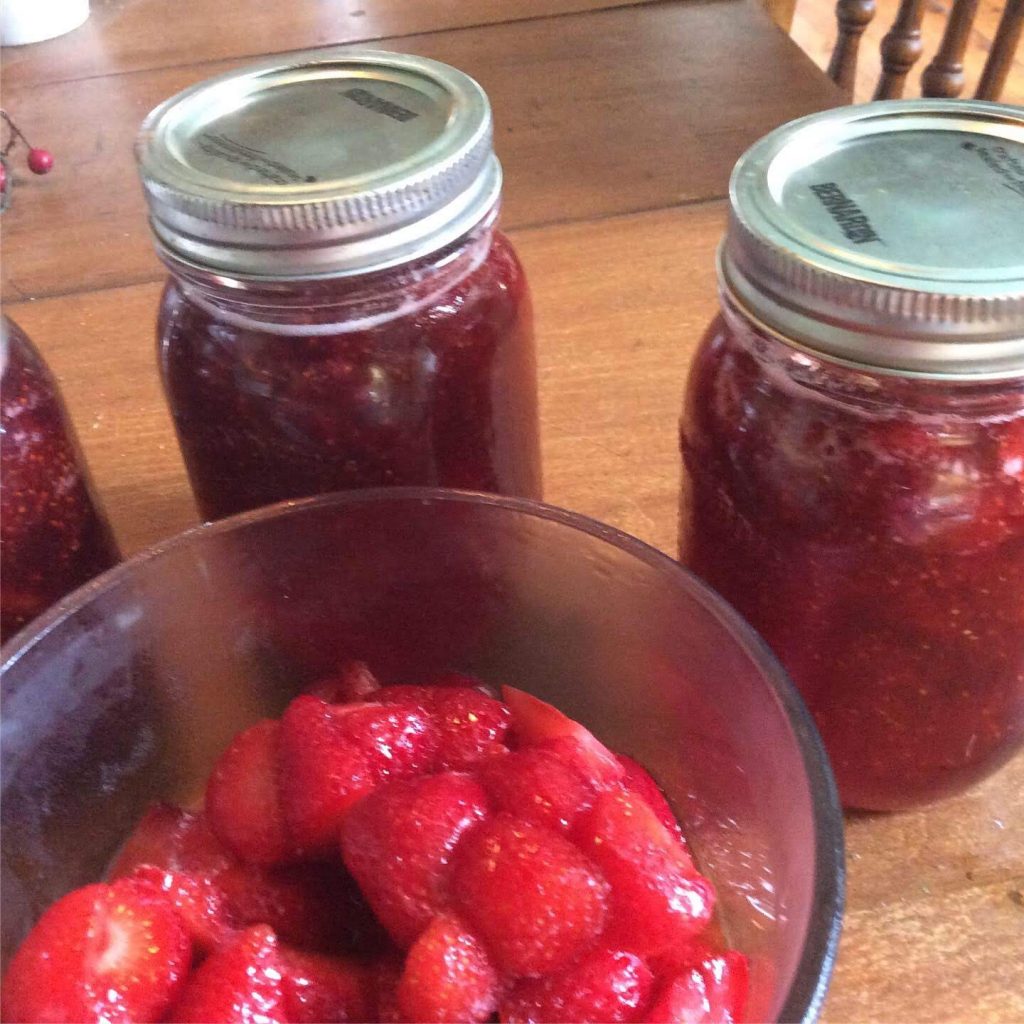
Aunt Mary’s Strawberry Jam

Leave a Comment

Ingredients

  • 7 cups berries
  • 5 cups sugar

Method

  • Cut up berries in a bowl
  • Add sugar and mash
  • Let sit 15 minutes for juice to escape
  • Bring to a rolling boil for 20 mins
  • remove from heat and add certo(its what I do)
  • Add squirt of lemon and dab of butter to decrease foam
  • Skim off foam and bottle
  • Note: Aunt Mary did s rolling boil for 30 mins til color darkens and jam thickens/no certo required) Makes less jam!
Filed Under: East Coast Recipes

Chicken Fricot

Leave a Comment

Chicken Frico
chicken fricot http://canadianliving.com

Ingredients

  • 1 whole chicken (about 3 lb/1.35 kg)
  •  4 oz salt pork diced
  •  3 carrots chopped
  •  3 ribs celery chopped
  •  1 onion chopped
  •  2 lbs Yukon Gold potatoes peeled and chopped
  •  2 teaspoons dried savory
  •  3/4 teaspoons salt
  •  1/2 teaspoon pepper
  •  6 cups water
  •  2 ice cubes
Dumplings:
  •  1 1/2 cup all-purpose flour
  •  1 tablespoon baking powder
  •  1 tablespoon chopped fresh parsley
  •  1/2 teaspoon salt
  •  2 egg yolks

METHOD

Discarding back, cut chicken into 6 pieces (2 breasts, 2 legs and 2 wings); set aside.

In large Dutch oven, sauté salt pork over medium-high heat until golden, about 4 minutes. With slotted spoon, remove pork; set aside.

Add chicken pieces to pan; brown all over, about 8 minutes. Transfer to plate; set aside. Drain all but 2 tbsp fat from pan. 

Reduce heat to medium; cook carrots, celery and onion, stirring occasionally, until onion is softened but not coloured, about 3 minutes.

Stir in potatoes, savory, salt and pepper; cook, stirring, for 2 minutes. Return chicken and salt pork to pan; stir in water. Bring just to boil, skimming foam from surface as needed. Reduce heat, cover and simmer for 45 minutes.

Place ice cubes in glass measure. Pour in enough of the cooking liquid to make 2/3 cup; let cool. 

Meanwhile, with slotted spoon, transfer chicken to plate; let cool enough to handle. Pull meat from bones; discard bones and skin. 

Shred or coarsely chop chicken. Skim any fat from cooking liquid; return chicken to pan and bring to simmer.

Dumplings: Meanwhile, in bowl, whisk together flour, baking powder, parsley and salt. Stir egg yolks into reserved cooled cooking liquid; drizzle over flour mixture. With fork, toss to make sticky, stretchy dough.

Increase heat to medium. Drop batter, evenly spaced in 8 mounds, onto stew; cover and simmer until puffed and knife inserted into centre of dumpling comes out clean, 8 to 10 minutes.

Filed Under: East Coast Recipes Tagged With: chicken fricot, Mama's East Coast Kitchen, nb

Cooking in Mama’s Kitchen

Leave a Comment

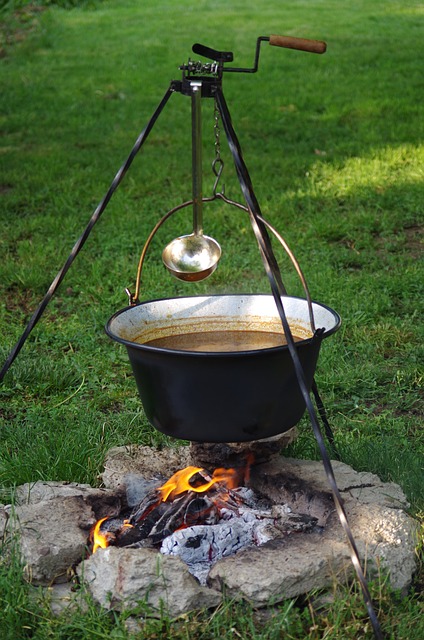
Open Fired Cooking

Wood Fired Cooking

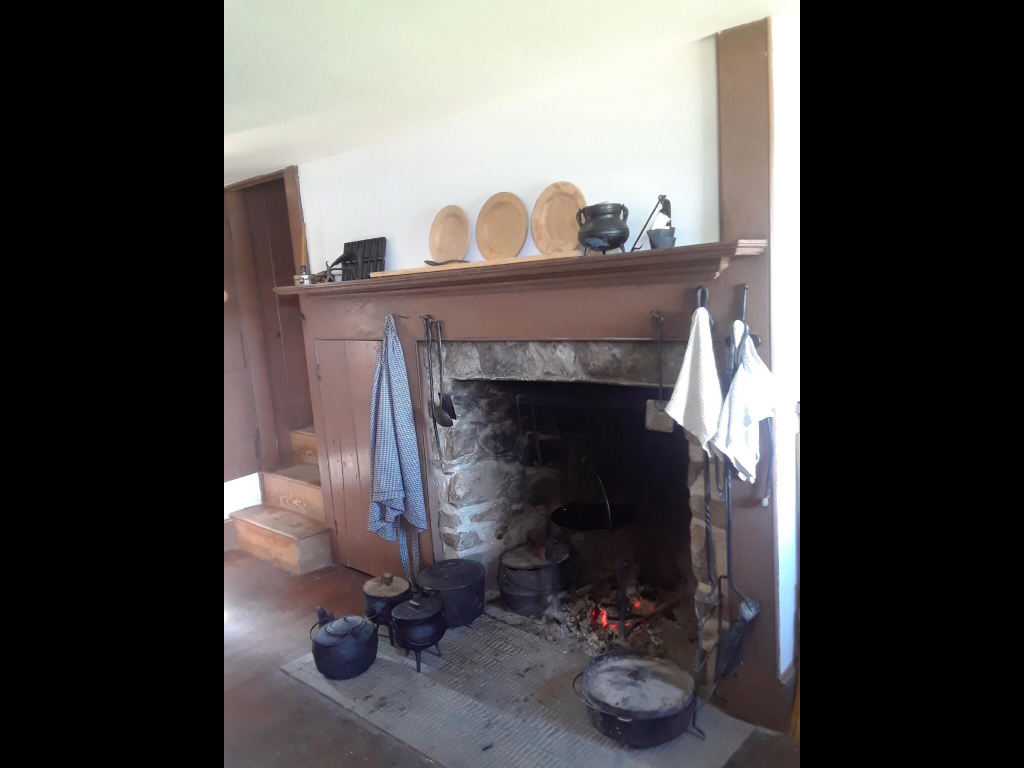
During the pioneer years, every kitchen had a primitive, open fired hearth that was the sole means of cooking. Cast iron ware was hung on an iron rod and suspended across the open fire for boiling food in a large cauldron. The heat required for accurate cooking temperatures was regulated by the size of the fire. The suspended cauldron could also be raised or lowered over the fire; to maintain the required heat. For baking breads and biscuits; the dutchoven was placed on the floor of the hearth, on a bed of hot embers. The lid of the dutchoven was first heated and then more embers were placed atop the lid to maintain the heat for cooking. It took approximately 20 minutes to bake biscuits this way. You also had to avoid any drafts that might blow the embers around or cool the temperature of the pot. Herbs and food were also hung near the hearth for drying purposes. Recipes; or receipts as they were called then, were passed along on how to cook in these open hearths. Now just imagine the preparation and skill required to cook this way and put food on the table! Imagine even cooking in Mama’s kitchen!

Wood Fired Cast Iron Stoves

Cast Iron Stoves

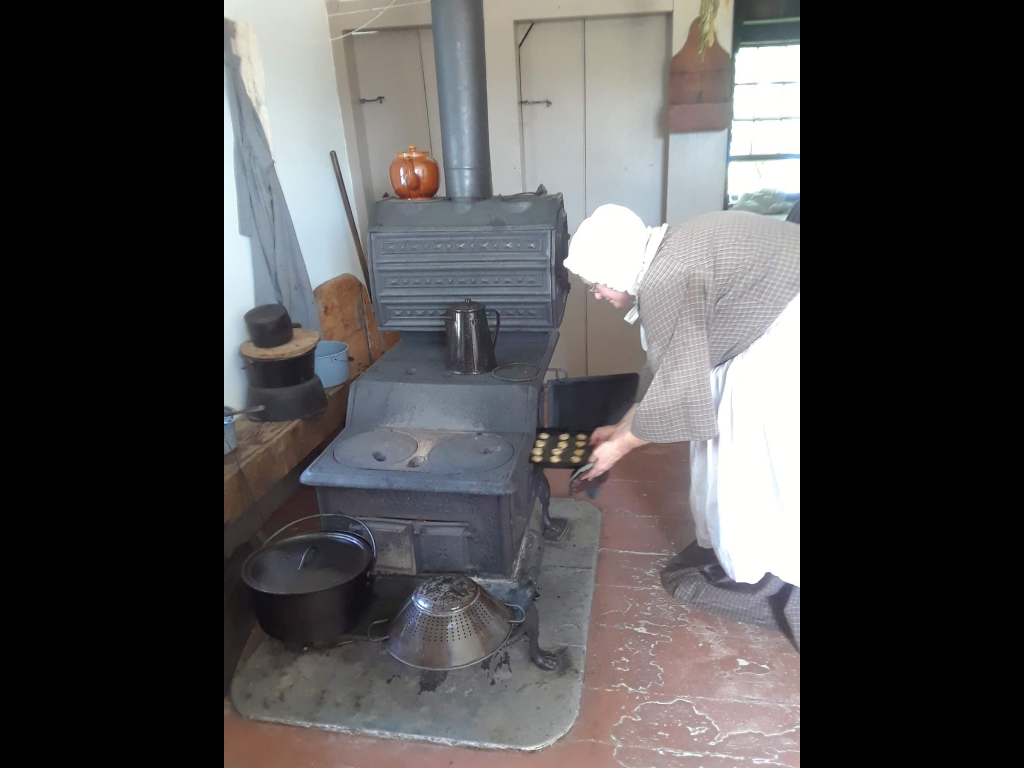
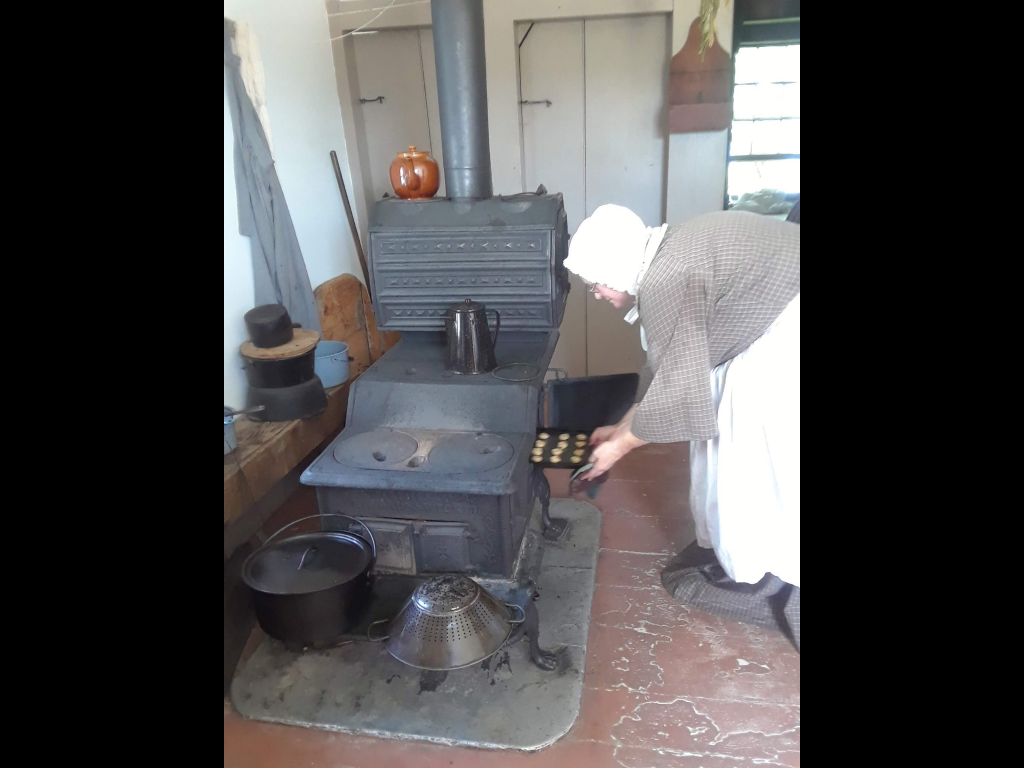
By the mid 1800’s cast iron stoves became the more efficient and safer way for cooking. The fire was now contained inside the stove with a cooking surface on the top for boiling. They were still fired by wood which still required skill to maintain a good heat for baking and boiling. However; it must have made things much easier for women to have a stove top to cook on. I sometimes think of the heat generated by these stoves in the summer time when this is was the primary means for cooking meals. Would be some hot!

Recipes

Basic Recipe from days ago

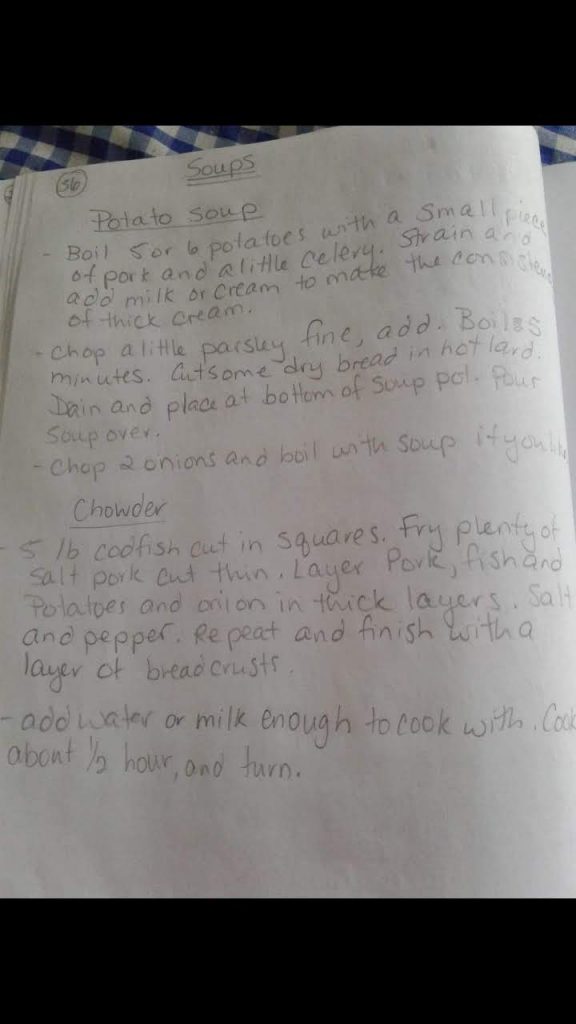
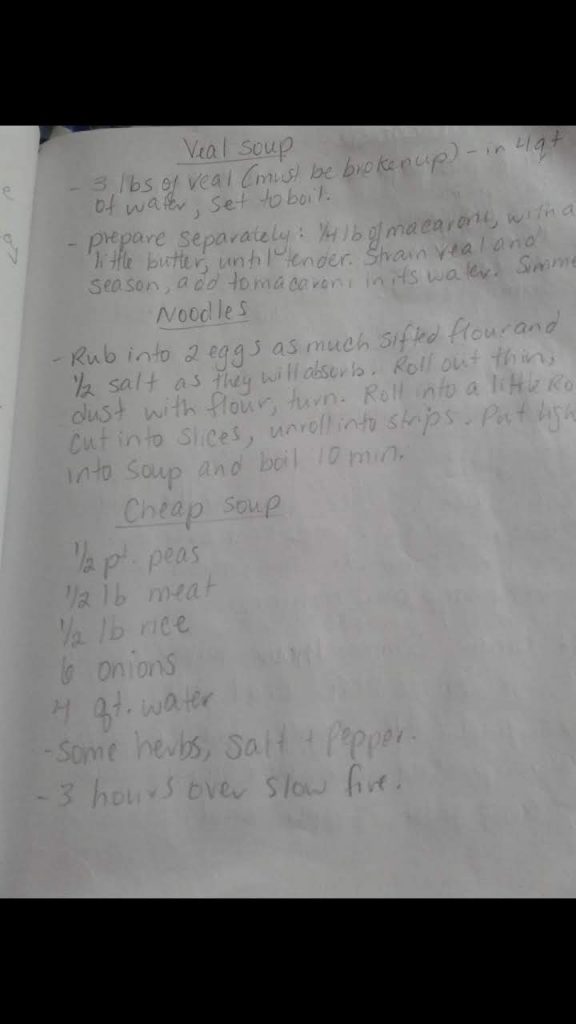
Families passed down their techniques for wood fired cooking over generations. Recipe books were not in existence then and women used handwritten notes such as above for records of favorite dishes. Cooking instructions were very basic with basic ingredients. Their notes indicated the type of wood fire required to cook at proper temperatures. Like cook over a small or large fire.

Old Time Recipe

Stew

Chicken Stew

Out of convenience and necessity; in the early years, most prepared meals were boiled. The meals were farm to table and consisted of basic ingredients like potatoes, carrots, onion, beets and turnip. Therefore; a hearty stew was the backbone of every meal in each home.

Meal Planning

These were hard times and pioneers worked very hard in their gardens; to grow enough food to sustain their families for the year. So during these times there was absolute zero waste. Food preparation was pre-planned with the next days meal in mind. So; for example, the bones from a roast beef or chicken dinner; on one day, was saved and boiled for a broth for a stew os soup; for the next days meal.

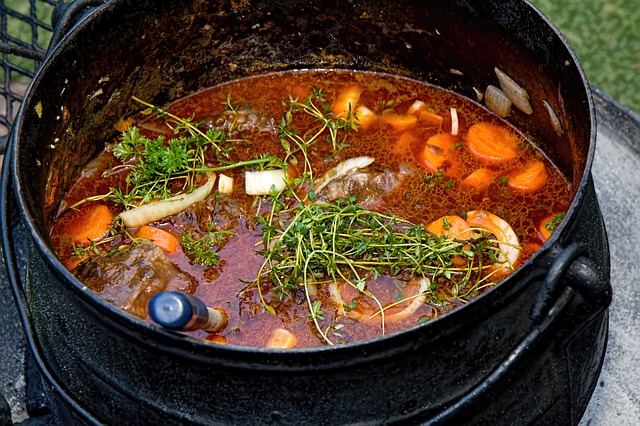
Traditional Boiled Dinner(photo Kalhh from Pixabay)

Stew Varieties

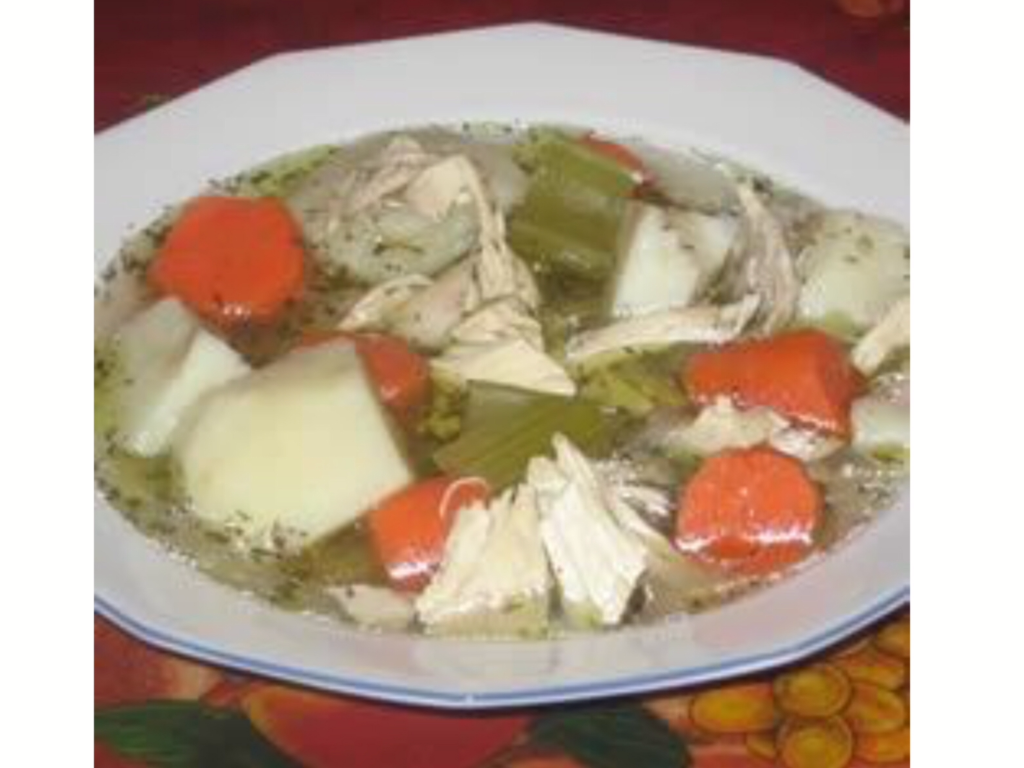
Now depending on the families origin; these stews were all similar in the basic root vegetables; but with minor variations. The Irish stew was traditionally made from lamb or mutton but depending on the availability of the meat; a beef stew was popular as well. To this broth you added cut up potatoes, onion, carrot, salt, pepper and parsley; if you had it. Chicken stew; made from the bone broth and thickened with a bit of flour, had the same root vegetables but with turnip and cabbage also. Chicken fricot was the French Acadian version of a chicken stew but the consistency of the broth was thinner. Dumplings made from flour and milk were often added to the top of the fricot instead. To this stew you added cut up potatoes, onion, carrot, salt, pepper and savory was also the herb of choice. Yum!

Homemade Soup(photo Ajale from Pixabay)

Soups were also a main meal then with all the same ingredients required but just cut up finer.

Today; we are all still enjoying a hearty boiled dinner like our ancestors! We are using the recipes handed down to us from our mothers and their mothers and so on. All cooking from Gramma’s kitchen! Of course; we can add whatever veggies we prefer, can or cannot grow it ourselves, can add any herb we prefer and don’t have to fire up a stove to do it But it is oh so good! Love a hearty soup or stew especially in our cold weather! Do you have a favorite! Think of cooking in Gramma’s kitchen when you do. She would be oh so proud!

Filed Under: East Coast Recipes Tagged With: hearth, pioneers, wood fired cooking

Pioneer Living in NB

Leave a Comment

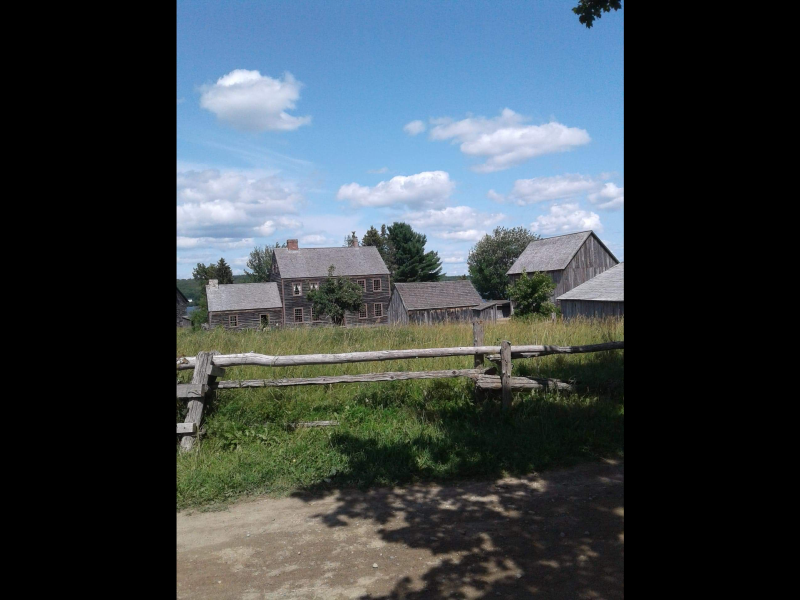
Early Homestead

Kings Landing

We recently paid a visit to Kings Landing Heritage settlement near Fredericton NB. This attraction is a great recreation of pioneer living in the early 19th century. Its set up exactly like a settlement would be back then. Each building and the content within were specific to an era and the dwellers were in role for that period in time.

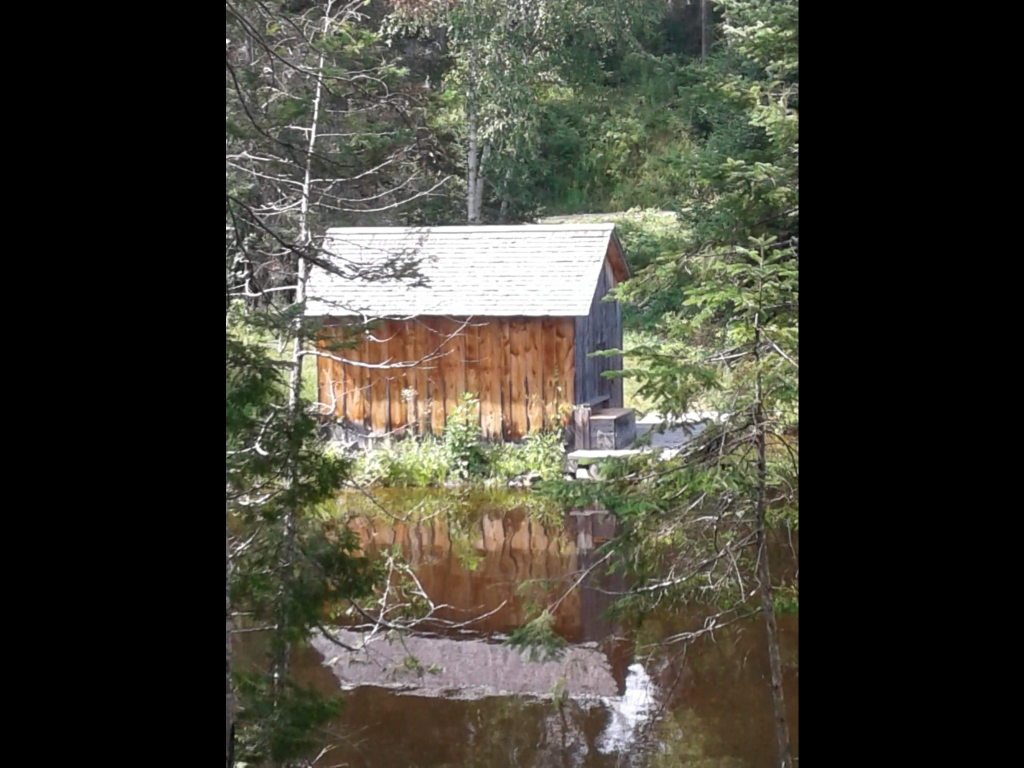
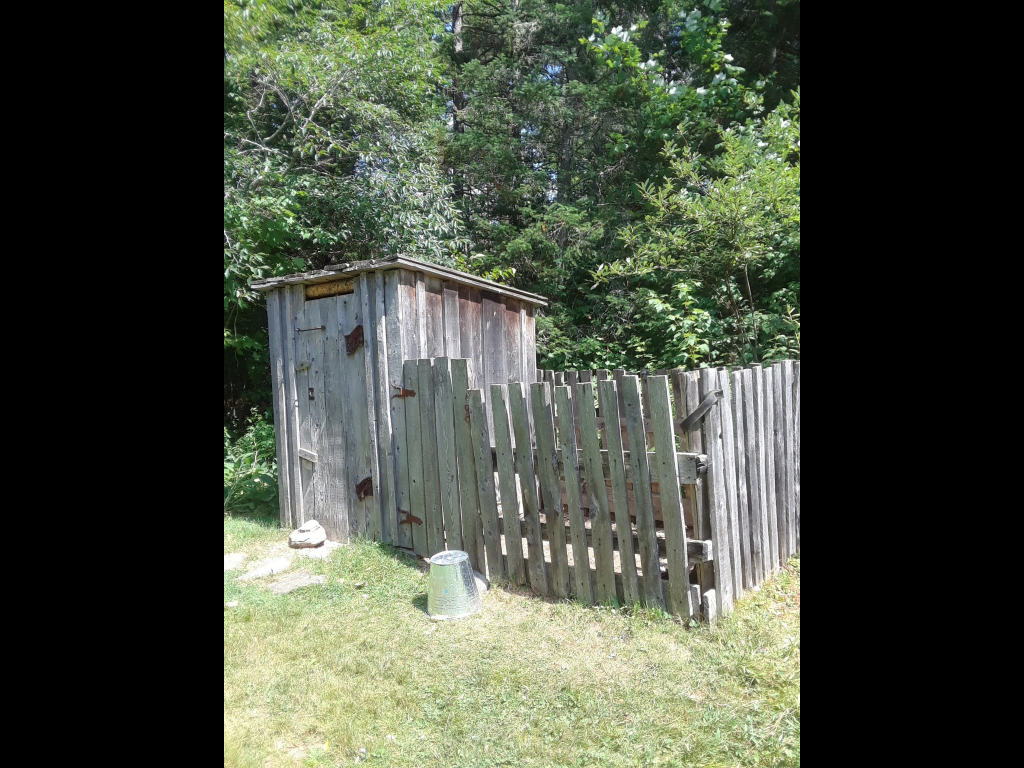
Outbuilding

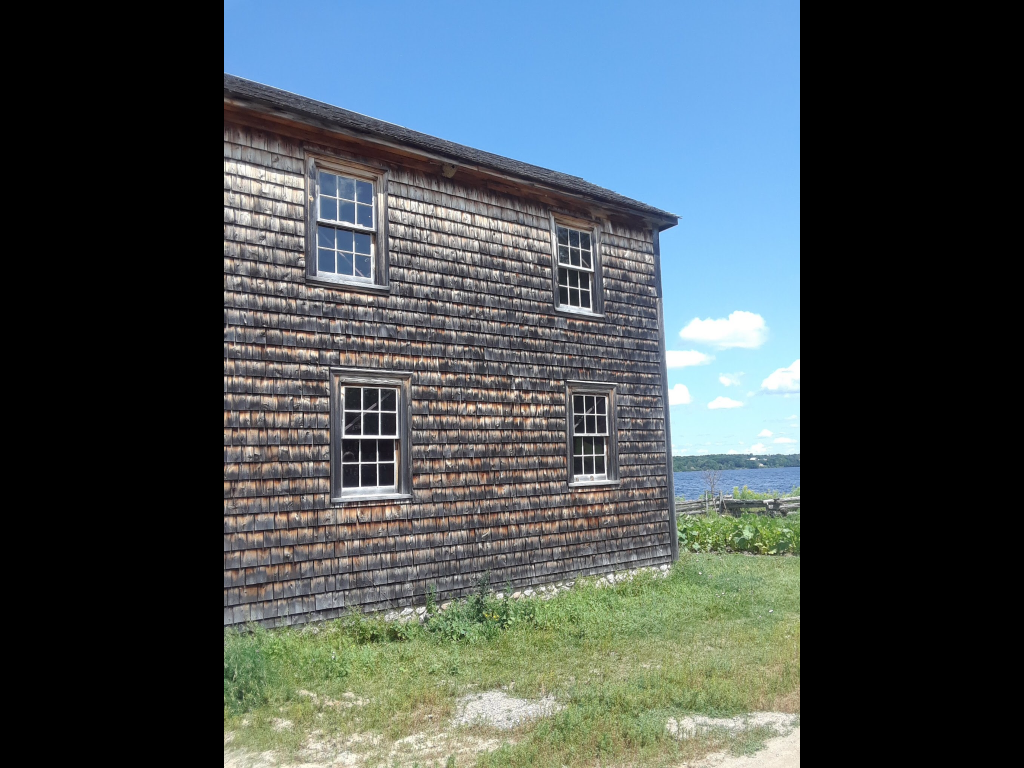
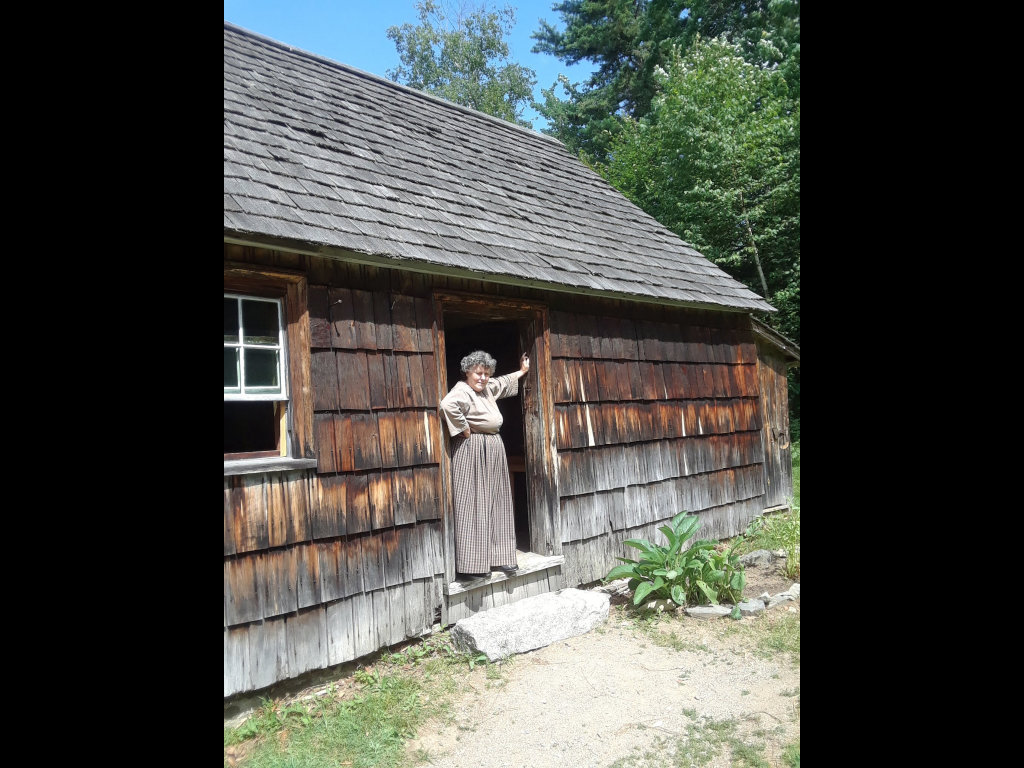
There were various sized homesteads, barns, primitive one room cabins, churches with a service on Sundays, a blacksmith firing horse shoes, a fully stocked general store, functioning lumber mill powered by the waterwheel, griss mill, farm animals, gardens, and a one room school house. Each stop along the way was a huge step back in time to the early 1800’s that allows you to truely experience pioneer living.

Hand Shingled Buildings

Acadian Village

The Acadian Village is located along the northern coast of NB in a place called Bertrand(near Caraquet). It is located on the Acadian Peninsula along the coastal waters of the Bay of Chaleur. Life here takes you back in time to pioneer living in a quaint little Acadian village. Experience the Acadian heritage first hand by living the culture, music, dance, authentic cuisine of our earliest settlers. Immerse yourself in the warmth and hospitality of the acadian people. You will love it!

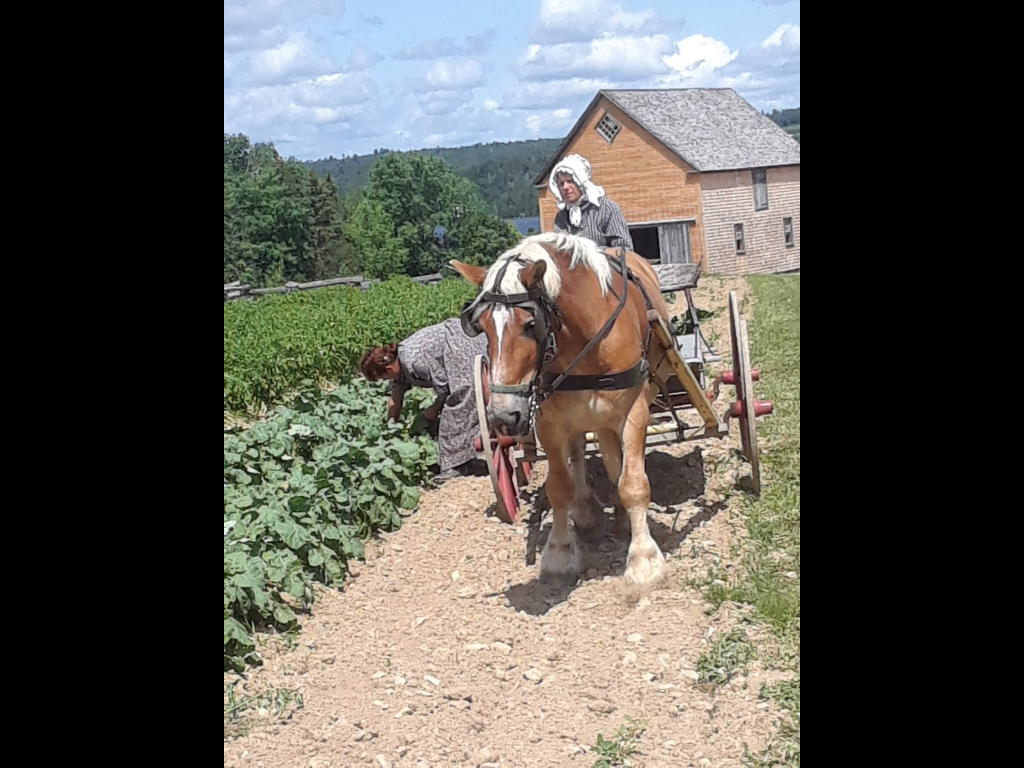
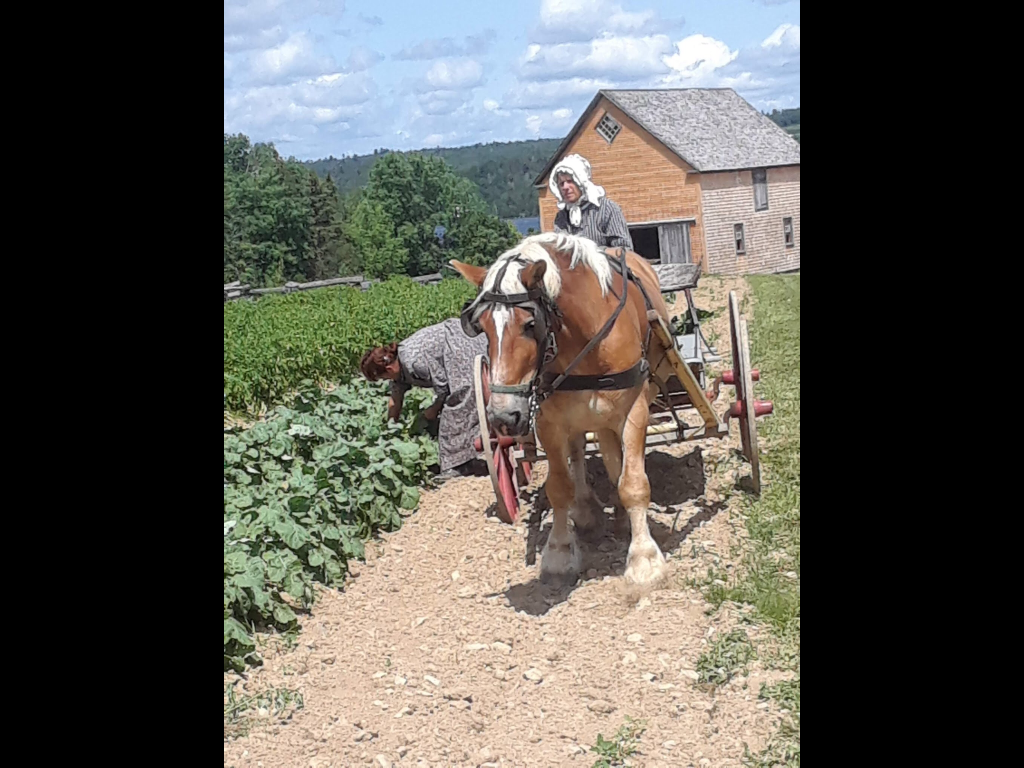
Gathering the crops

Agriculture

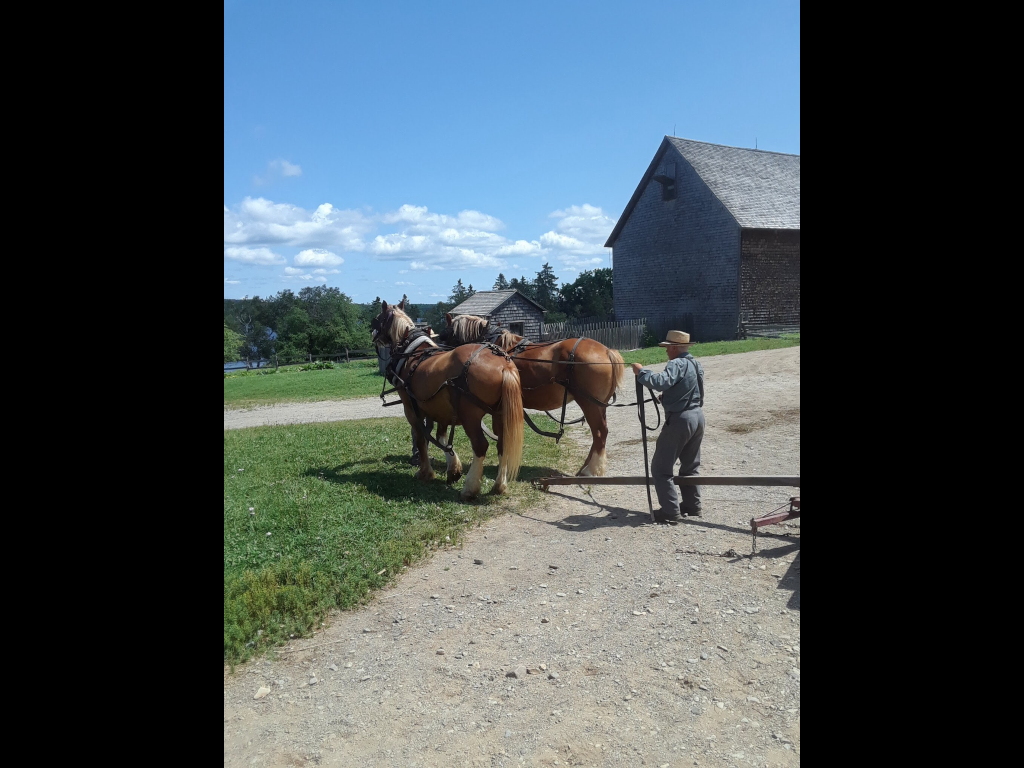
Every homestead had a large vegetable garden that yielded basic foods like potatoes, turnips, onions, herbs and carrots. Fields were first prepared by the farmer by means of guiding the plough which was hauled by a horse. Foods were harvested and dried for canning, pickling and everyday meals. The bounty was then stored in cool root cellars to preserve the years supply of food. It required hard work to maintain their gardens and food supply but families worked together to lighten the load. At harvesting time it was efficient to use a horse and cart… if you had the means. One person would drive the cart along the rows, while the other picked the veggies. They would swap out the duty to lighten the work.

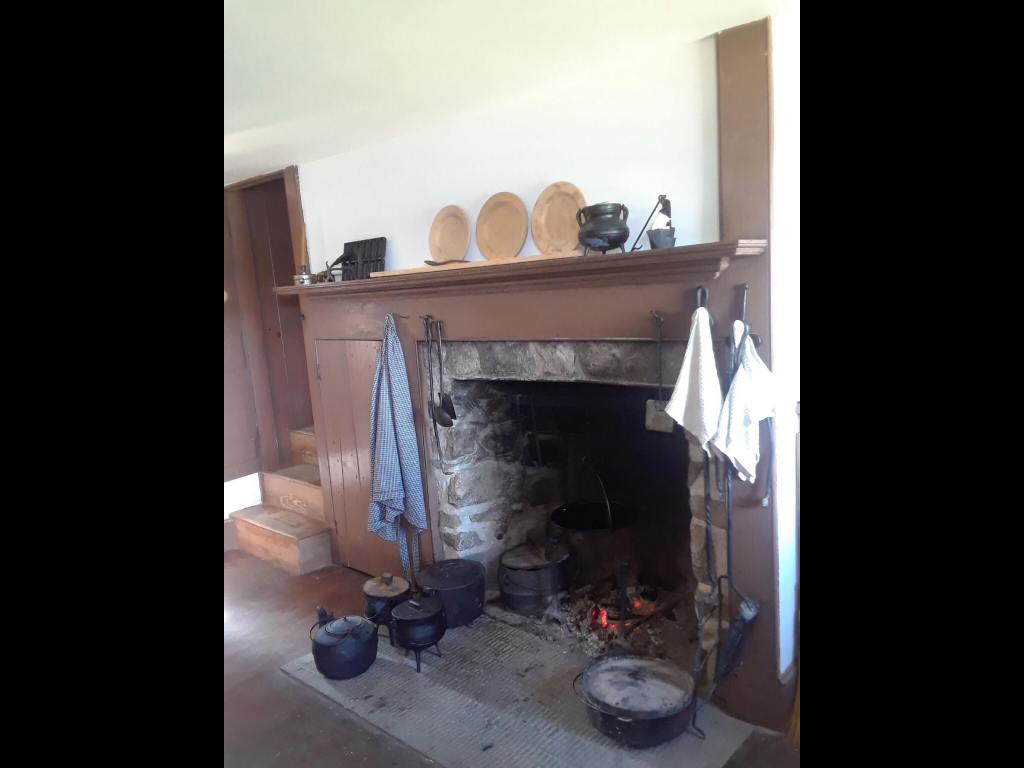
Open Hearth Cooking

Open Fire Cooking

In every kitchen was an open fired hearth that was the primary heat source and means of cooking. Cast iron ware was hung on an iron rod and suspended across the open fire for boiling. The heat required for accurate cooking temperatures was regulated by the size of the fire. For baking breads and biscuits; the dutchoven was placed on the floor of the hearth on a bed of hot embers. The lid was heated and more embers were placed atop the lid to maintain the heat for cooking. Herbs and food were hung near the hearth for drying. Interestingly; in the larger homes,these hearths were located on the ground levels where it is the coolest and the heat would radiate upwards to heat the home. In the traditional one room cabin the hearth was the centre of the home. Recipes; or receipts as they were called then, were passed along on how to cook in these open hearths. Its a skill that has become lost to us. Now just imagine the preparation required to put food on the table! Imagine baking this way!

Working Team

Livestock

Every farmer had a team of work horses to work the land. From plowing to hauling, clearing the land of trees and rock, harvesting and transportation. They had various carts, buggies and wagons depending on the need. A cow was a necessity for the milk to drink, cream was extracted for butter making and for cooking. If they had a few extras; cows were slaughtered for the meat. Sheep supplied the wool from which they washed, carded and spun into fibre for sewing and knitting their clothes. Hens and chickens supplied the eggs and meat. You might even see a goat or two that supplied milk and meat as well.

Hen house and pen

All these animals needed tending to. Pasture space had to be cleared and grasses grown for feed and buildings erected to house the animals. They were contructed by lumber milled from their own land. So they often had oxen to help with the heavier work when clearing the land of rock and hauling heavy timbers. Hard days of work was an every day thing for homesteaders then.

Clothing

Clothing was all hand made. Flax was grown in the gardens for food but the fibre from the flax plant could be dried and extracted, spun into a fine fibre and woven to make cloth and then sewed into a linen garment. Hats, sweaters socks, mittens were all made from the wool sheared from the sheep, spun into yarn or thread and woven into cloth for the heavier wool clothing required for more temperate weather. Spinning, weaving, knitting and sewing were works of fine art and these skills were passed on from generation to generation.

Newer cast iron stove

Pioneer living was not easy but they provided the basic necessities of life. Families were large then and they all worked closely together to provide a better life for themselves and their neighbours. It wasn”t all work tho. As per traditional East Coast living famillies gathered at Church, teas and dances.

Emerse yourself in a village such as this and experience the pioneer living in NB, in the 1800’s. Appreciate the hardships and work required to put food on the table and to construct their homes. Would you long to be a part of this lifestyle. I sure do! Sure it was a lot of hard work and hardships but you sure can’t beat the pure and organic living.

Filed Under: NB Heritage Tagged With: Acadian Village, East Coast Heritage, kings landing, Pioneer Living

Slang from Coast to Coast

2 Comments

Canada is often referred to as The Great White North and the true north strong and free. Its all so true! We talk slang from Coast to Coast. Love our Country! Love our slang! We are all so proud to be Canadian.

Snow and more Snow!

Lay of the Land

Canada is bi-coastal with the Pacific Ocean to the West and the Atlantic Ocean to the East. Mountains to the west are the beautiful Rockies that extend up to the Yukon and the Northwest Territories. Eastern Mountains are the Appalachian Mountain Range. These mountains, waterways and the vast wooded areas we call home; were attractive to early settlers. This was the land of great opportunity and new beginnings. British Columbia is the most coastal province on the west then Alberta, Saskatchewan, Ontario and Quebec in the interior. Most easterly are the Atlantic Provinces of New Brunswick, Nova Scotia, Newfoundland/Labrador and Prince Edward Island.

Canadian Heritage

The earliest settlers were the Indigeneous Peoples who had settlements spread out across the whole country. Their culture and heritage is celebrated at numerous festivals where you can experience their customs, music and dance. The French explorers sailed to the Eastern shores of Canada then sailed on up to and settled the Quebec region. Multiple ethnic groups then began to travel to this new land from the English, Irish, Scottish, Dutch and others. As a result; Canada has become known as a melting pot. From there; settlers soon spread out to the interior with the hope and promise of new land to settle. They braved miles of travels by wagon trains or waterways and endured great hardships. This new land offered a new way of life and opportunity to pioneering families. Cant begin to imagine life then! Can you?

Settling new land

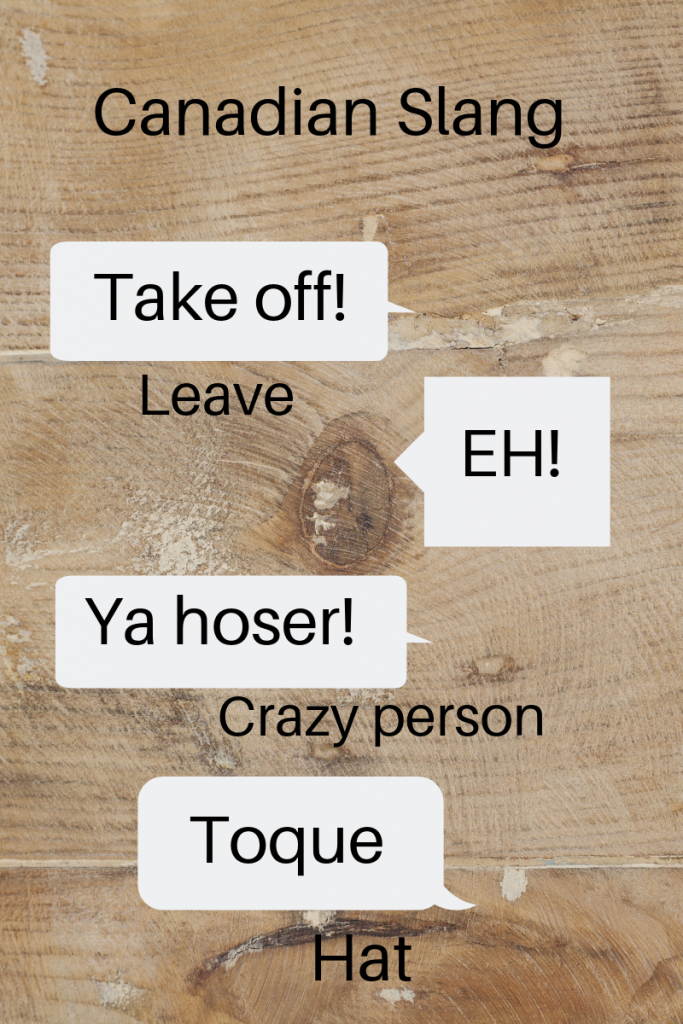
Canadian Slang

So what influenced the slang spoken by Canadians everywhere? That all depends on which province you are in. Coastal slang had strong influences from the waterways. The interior provinces woud have been more influenced by the ethnic groups that settled the areas. Fishing, lumbering, logging, mining were all areas offering great industry and substantial growth for each province. The larger the area became the bigger the slang influences. Thieves, beggars and criminals strongly influenced slang; in the earliest years, by the secret codes they used to communicate with each other. Slang evolved from there, crossed all borders and genres and is now found everywhere you look. We all have our own slang unique to each province. The different accents you hear make it even more amusing. Hope all y’all are sharin’ yer slang with yer loved ones. We sure need to keep some of the good stuff alive! So share yer slang! Share the origins of it! Most of the sayings we use are quite humorous! We all sure need a bit of that in our lives! Right?

Gatherings

Canadians from coast to coast are known for their friendliness,kindness, generosity and strong work ethics. We also gather together to celebrate most everything and anything. Many East Coasters have settled to the west and vice versa. We welcome all with open arms and lend a helping hand wherever possible. East Coasters are known for kitchen parties as its their best place to be gather; around that kitchen table. Well this online forum is an avenue for that. Its one big online kitchen party!

Sharin’ Canadian Slang

Slang has many influencers right across Canada. Words may have one meaning on the East Coast and have a completely different word or meaning on the West Coast. So lets share those words and connect our slang from coast to coast. Here a few very common slang words we all are familiar with. Please add to the list any old and new slang. Share your favorites. Lets see which province can collect the most slang sayings. Slang by Canadians is a pretty unique language we all love, know and talk! Lets talk some good ol’ slang!

Filed Under: Slang History

  • « Previous Page
  • 1
  • …
  • 7
  • 8
  • 9
  • 10
  • Next Page »

View Shopping Cart | Store

JTS Design | Copyright 2019 - EastCoastSlangHeritage

Recent Posts

  • Fundy Trail Parkway
  • Homemade Biscuit
  • The Monument Lefebvre

Categories

  • East Coast Folklore
  • East Coast History
  • East Coast Kitchen Nonsense
  • East Coast Recipes
  • Life on the East Coast
  • NB Heritage
  • Nfld/Lab Heritage
  • NS Heritage
  • PEI Heritage
  • Slang History

Archives

  • July 2022
  • June 2022
  • May 2022
  • February 2021
  • January 2021
  • November 2020
  • October 2020
  • July 2020
  • June 2020
  • April 2020
  • March 2020
  • February 2020
  • January 2020
  • December 2019
  • November 2019
  • October 2019
  • September 2019
  • August 2019
  • July 2019
  • February 2019