East Coast Heritage

East Coast Heritage and Sayings

  • East Coast Heritage
  • East Coast History
  • East Coast State of Mind Shop
  • About Me
    • Contact
  • Posts
  • East Coast Sayings

Powered by Genesis

Guy Fawkes Night

Leave a Comment

Celebrated on November 5th in Newfoundland.

If you are lucky enough to live in Newfoundland ; most of you are familiar with Guy Fawkes Night. Do you know just who Guy Fawkes is? Are you familiar with the origin of this celebration? Just how did his name become synonymous with Bonfire Night in Newfoundland?
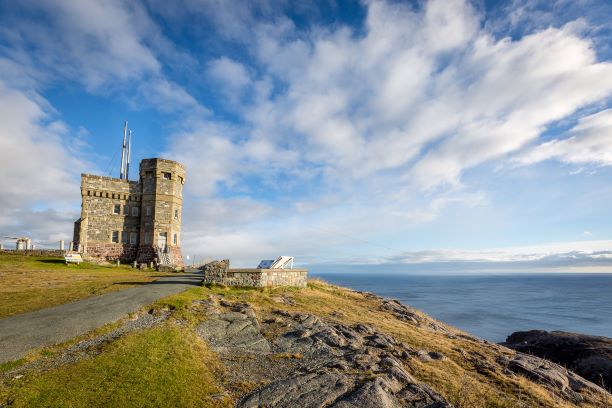
Signal Hill

The Conspiracy

Guy Fawkes Night originates from a conspiracy that dates way back to the year 1605; in London, England. It was a very daring scheme hatched up by a radical group of English Catholic people. Lead by Robert Catesby; their sole intention was to overthrow the ruling English Protestant government and establish a Catholic Monarch on the throne. So they plotted to bomb the House of Lords in Westminsterl; with King James 1 in it.

The Gunpowder Plot

Now; just how did they go about this lavish scheme you say? Well; they leased a room under the Parliament building and They proceeded to fill this room up with 2 tons of gunpowder. Obviously security; at the time, was lax and this activity went unnoticed for quite some time. But rumors began circulating in the city of a plot to bomb the House of Lords. Eventually; the authorities got wind of this dastardly deed. On the morning of November 5, 1605; King James 1 and his members of Parliament were set to re-convene. Due to the present rumors of a threat a thorough search was conducted of the Parlisment Buildings. Low and behold; they found one Guy Fawkes lurking in the cellar; guarding a massive collection of explosives.
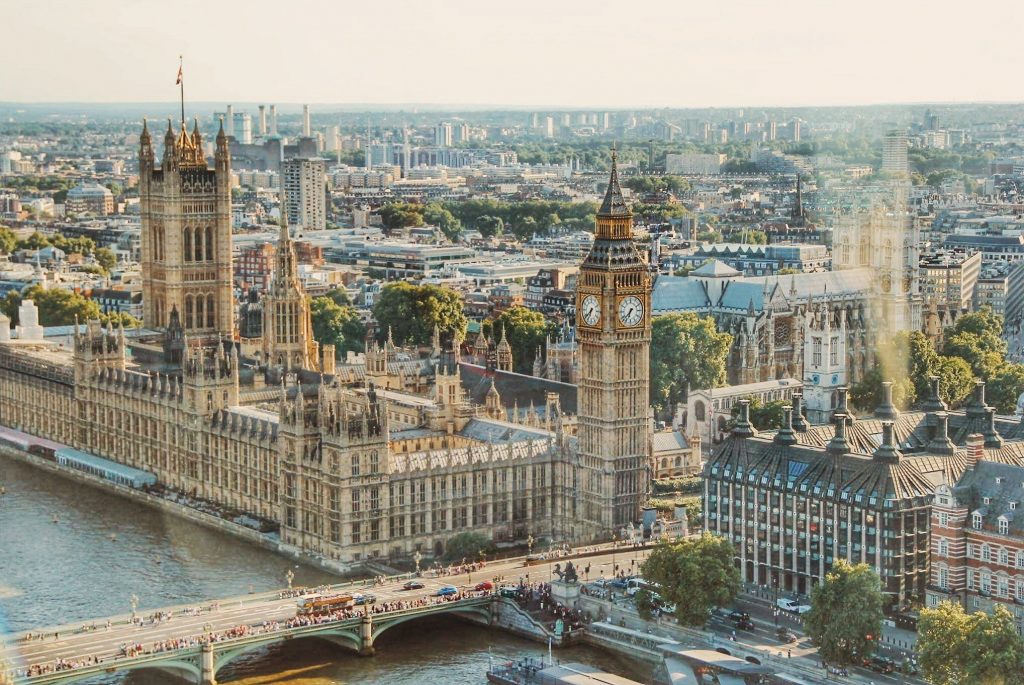
England

The Capture of Guy Fawkes

Now Guy was not about to co-operate with the authorities and acted quite confused as to why he was being arrested. He confessed that his name was John Johnson and claimed he was just guarding the contraband for a local man named Mr. Percy. He was sticking to his story! King James was soon made aware of the deadly plot and Guy’s non-compliance. So; he decided a little torture was in order. Well after a couple of days of this; old Guy started singin’ like a jaybird. He gave up his true identity, implicated the co-conspirators and confessed to the crime. They were all arrested, found guilty of high treason and sentenced to hang, drawn and quartered in London. on January 31, 1606. Over the years; the scheme to bomb the Parliament became known as the ”Gunpowder Plot.”
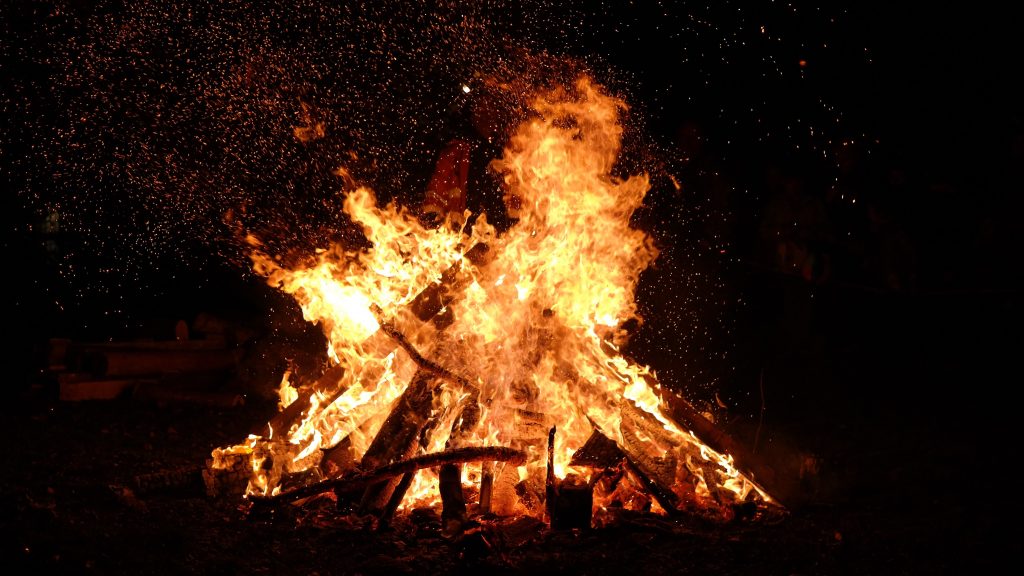
Ceremonial Bonfires(Jens Mahnke)

Celebrating King James 1

To honour the King’s escape from this conniving plot; the Londoners were encouraged to celebrate the day (Nov 5) by lighting huge bonfires. This tradition began in the United Kigdom and soon spread to all the British Colonies. In present day Canada; it is mainly celebratd in Newfoundland. Due to bonfire regulations in major cities, the whole celebration has been toned down to a social event. But in the more rural communities, bonfires roar!

Who is Guy Fawkes

So what of Guy Fawkes? How did he get involved in these shenanigans? Guy was born in to a Protestant family in York, England in 1570. He converted to Catholicism after his father died and his mother remarried to a Catholic gentleman. At the age of 21 he left England to travel the continent. He soon became a mercenary for wars and associated himself with like minded individuals. And so began his scheme to start a Catholic rebellion in 1604. Upon his death; it was reported that he was not actually hung like his co-conspirators. As he was called to meet his fate; he jumped off the platform, breaking his neck and died immediately at the young age of 36. So there you have it! That’s what happened to Guy Fawkes.
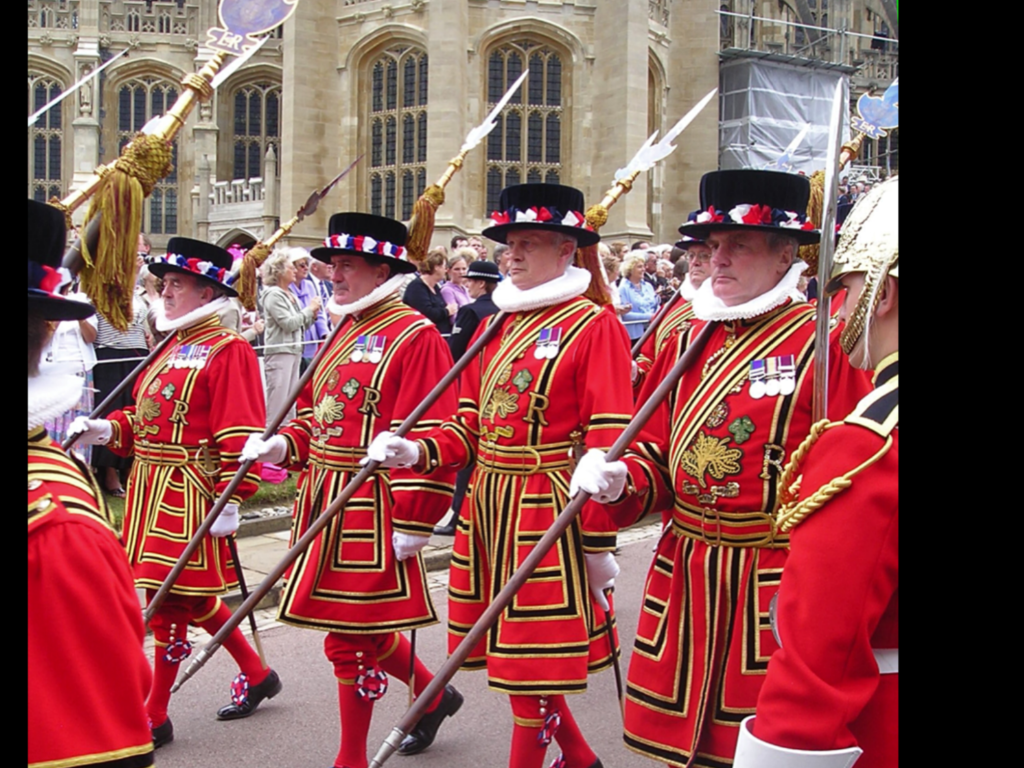
Yeoman Officials/Pixabay

To this day; when Parliament convenes in Westminster, a thorough search of the cellars is conducted. It is very much a ceremonial search by official recreators, dressed in period attire and carrying old fashioned lanterns.

So there you have it. The story of the night Guy Fawkes got caught in the great scheme to overthrow the Protestant Government. Do you celebrate Guy Fawkes Night? Do you make a roaring bonfire to commemorate his failure?

Filed Under: Nfld/Lab Heritage Tagged With: Bonfire Night, The Gunpowder Plot, Who is Guy Fawkes

Cretons Spread

Leave a Comment

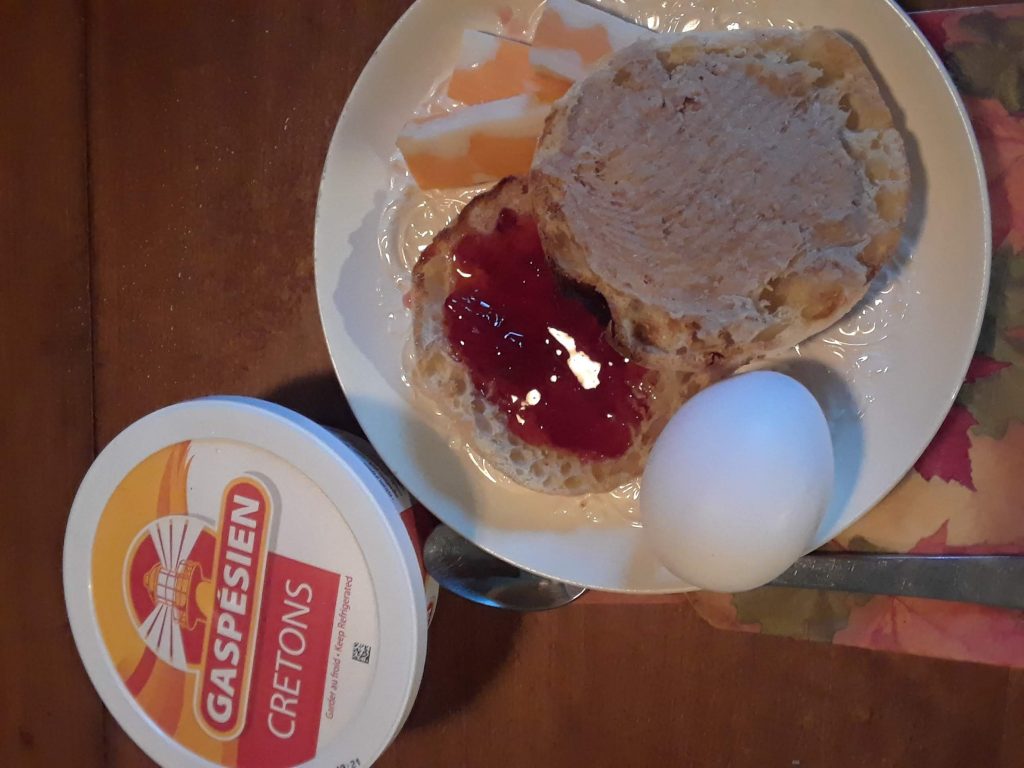
So just what is Cretons Spread you say. It is a French Canadian meat spread similar to pate but made from ground pork. Now my Mama grew up on the Gaspe Coast and she tells me; that her Mama used to make her own from scratch. They called it layered meat then. (And no it is not head cheese) It was most commonly eaten on your toast, for breakfast. Yum! Back in the earlier days it was a good lunch for those off working in the woods all day. Cretons is a great source of protein and could be eaten cold. Its right tastey too! C’est Bon Bon Bon!

Ingredients

  • 1 lb ground pork
  • 1 cup milk
  • 1 onion chopped fine
  • 1/4 cup dried bread crumbs
  • garlic chopped fine
  • S & P to taste ( I put lots of P)
  • 1 pinch ground cloves
  • 1 pinch allspice

Method

  • In a saucepan combine pork,milk, onion, garlic
  • Add seasonings(not the S & P)
  • Cook on medium heat for 1 hour
  • then stir in bread crumbs
  • Cook 10 more minutes
  • Season with S & P to taste
  • Voila! Keep refrigerated.

I will share a little family secret with you that will add a special something to your Cretons. Fry up a few pieces of pork fat (could use bacon). Crumble the fat into small pieces. Add this to your Cretons Spread. There you have it! Authentic Cretons from down the Gaspe Coast! C’est vraiment bon!!! Thanks Mama!

Filed Under: East Coast Recipes Tagged With: Cretons, Cretons Recipe, Gaspe Coast

Punk Culture

Leave a Comment

The punk subculture had beginnings in the 70’s and the movement evolved far into the 80’s. This generation embraced ideas that their parents from the Hippie era could not relate to. So the punk subculture 70 & 80’s brought about great change.

Punk Movement(Pixabay)

Punk Movement

The punk movement was a dominant subculture of the times. They were concerned with individual freedom, DIY ethics, anti-authority, anti-corporatism, anti-consumerist and anti-establishment. They were non conformists pure and simple. Members became known as Punks and expressed themselves in grunge music or punk rock. There were factions within the punk group of new wave, post-punk, hardcore punk, street punk and pop punk.

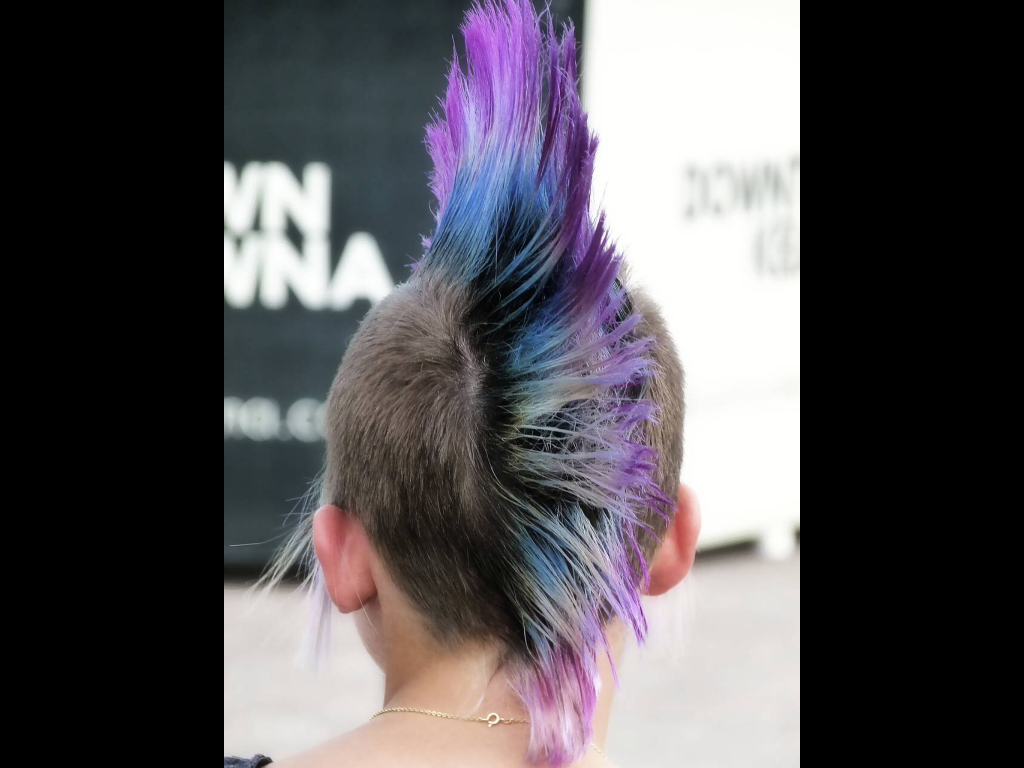
The Mohawk(Pixabay)

Punk Identity

Members of the movement identified themselves differently than the hippie movement that preceeded them. Fashion statements were T shirts(often offensive/or band related), torn tight-legged jeans, leather jackets, Dr. Martin boots, high top chucks, bright colored hair, spiked mohawks, tattoos and body peircing. The women and men identified themselves in the same fashion and with equal rights. There was a strong sense of a strait edged self. One refrained from drug and alcohol or one submerged in it. Vegetarianism and animal rights grew out of this era.

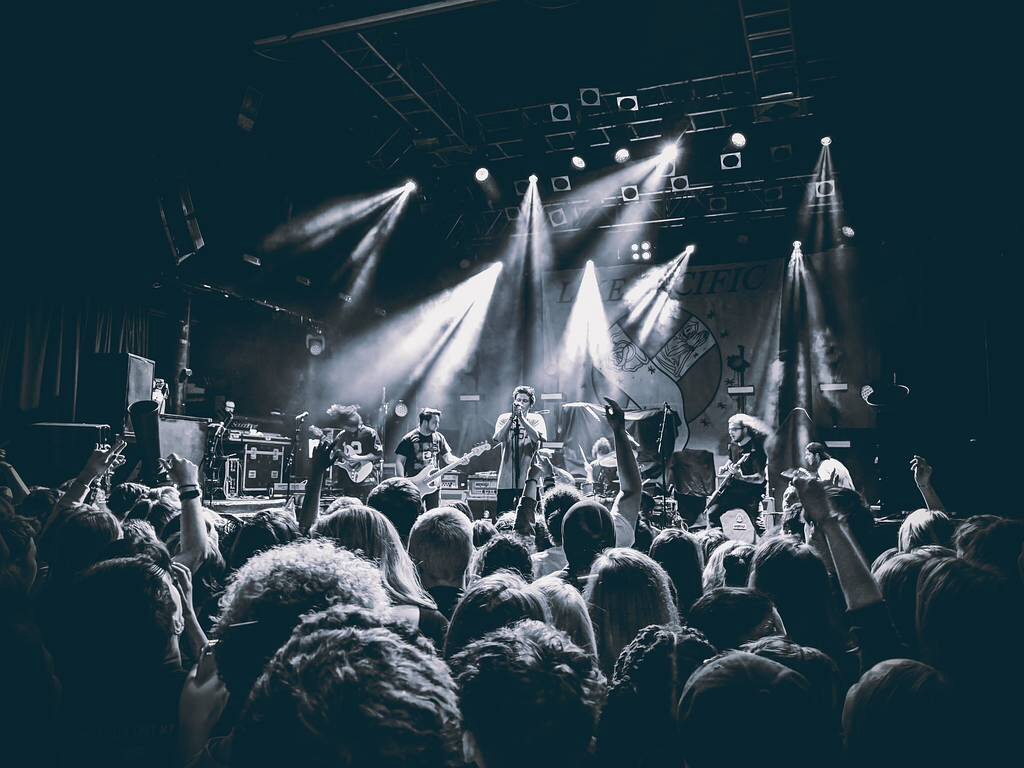
Punk Rock Concert(Pixabay)

Punk Rock

Music of the times was influenced by the loud and agressive theme of rock and heavy metal but from this evolved garage rock/punk rock. Garage rock was a do-it yourself method of production with a vocalist. electric guitars and drummer. The songs were short, loud, with few cords and delivering a strong message of the times. Influencers were New York Dolls, The Stooges, The Ramones, Sex Pistols, Motorhead and more. The common dance was the pogo. To do so you held the body rigid and jumped up and down on the spot.9like a pogo stick) Moshing was another dance form which was body slamming. Remember the mosh pit? Crowd surfing? Think it is still a thing.

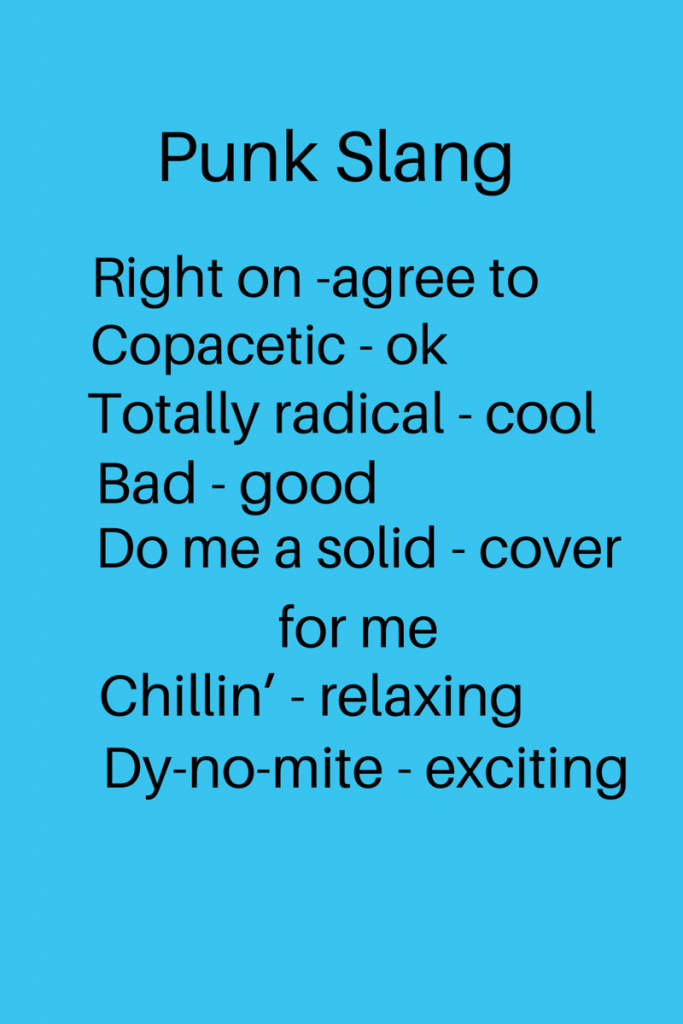
Punk Slang

Their generation stood out and their slang was a rapidly growing language. Do you identify with the punk era. Who was yer best band? Mine was Cindy Lauper! Girls Just Wanna Have Fun! There;s fond memories in yer music. Do you still talk the talk or walk the walk? Still wearin’ yer Chucks! Slang….some of the best words and sayings! Whats yer best saying? Hope yer still…. like…. totally….. saying it!

Punk Slang

Filed Under: Slang History Tagged With: Punk Identity, Punk Movement, Punk Rock, Punk Slang

Atlantic Cod au Gratin

Leave a Comment

Cod is a fish you can sample pretty much anywhere you care to travel on the East Coast. Its a tastey white fish that is low in fat, low in calories and a good source of protein. Need B12? This is yer fish. Remember takin’ cod liver oil pills as a kid? Maybe not but its sure good fer what ails ya! You can find so many recipes for cod. Cod cheeks. Cod tongues. But I will share Cod au Gratin with ya. Its my best way to eat cod! My Mamma taught me!

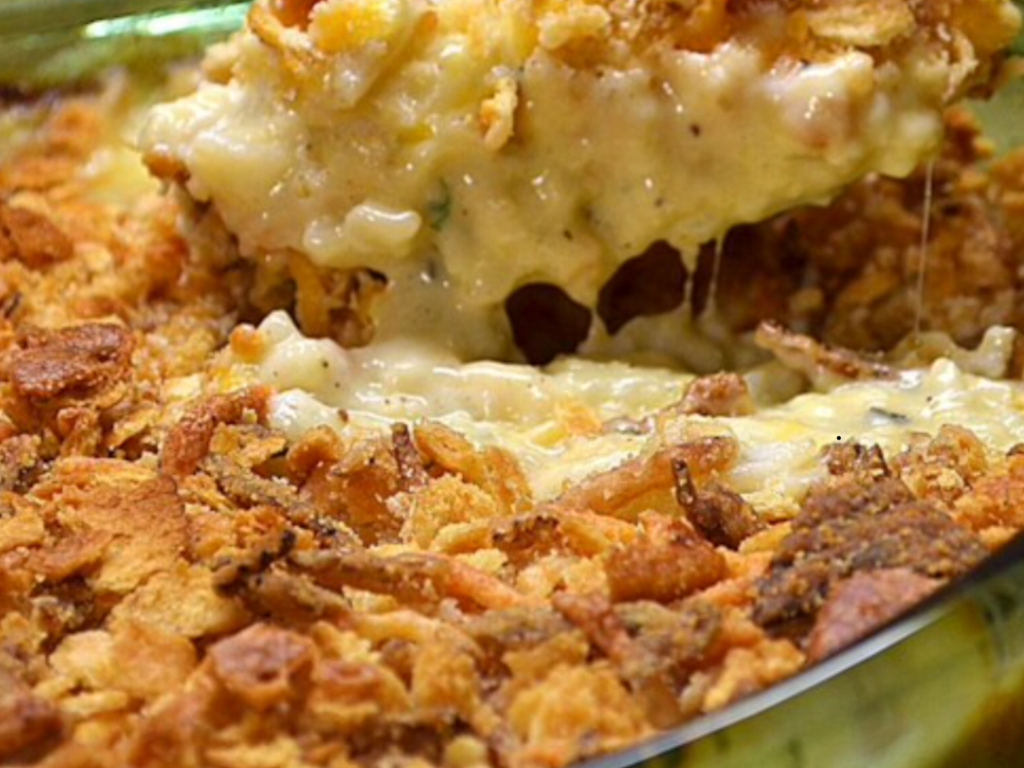
Cod au Gratin

Ingredients:

  • 1 lb cubed cod
  • 1/4 cup butter
  • 1/4 cup flour(I use gluten free)
  • 1 1/4 cup milk(I use lactose free)
  • pinch salt r not
  • pepper…lots
  • Parsley and thyme(optional)
  • squirt of lemon juice
  • 1 small onion chopped fine
  • 1 stalk celery chopped fine
  • mushrooms sliced
  • 1/2 cup bread crumbs or cracker crumbs(gluten free Bretons)
  • 1/2 cup grated cheddar cheese(white/marble cheese=less fat)

Method

  • Preheat oven to 375
  • in a skillet melt butter and stir in flour til smooth
  • remove from heat and add milk
  • heat this till smooth and shiney
  • add remaining ingredients and cook and stir till smooth and thick
  • Place cod in greased casserole dish
  • Top with the white sauce
  • Sprinkle with bread crumbs and cheese.
  • Bake 20 – 30 minutes till bubbles and slightly brown
  • Serve with potatoes ‘n veggies or yer favorite salad.
  • Yum! Enjoy!

Filed Under: East Coast Recipes Tagged With: New Brunswick, Newfoundland, PEI, Scots to Nova Scotia

Newfoundland Emmigration

Leave a Comment

Newfoundland and Labrador is an island located in the most north, easterly point of Canada. This province is deep rooted in fishing with a very rich history and culture to boot. Now it you ever had the opportunity to live or travel there; you would experience a very “different feel” than in any other part of our country. Who played a big role in Newfoundland Emmigration?How did this all come about..you say?

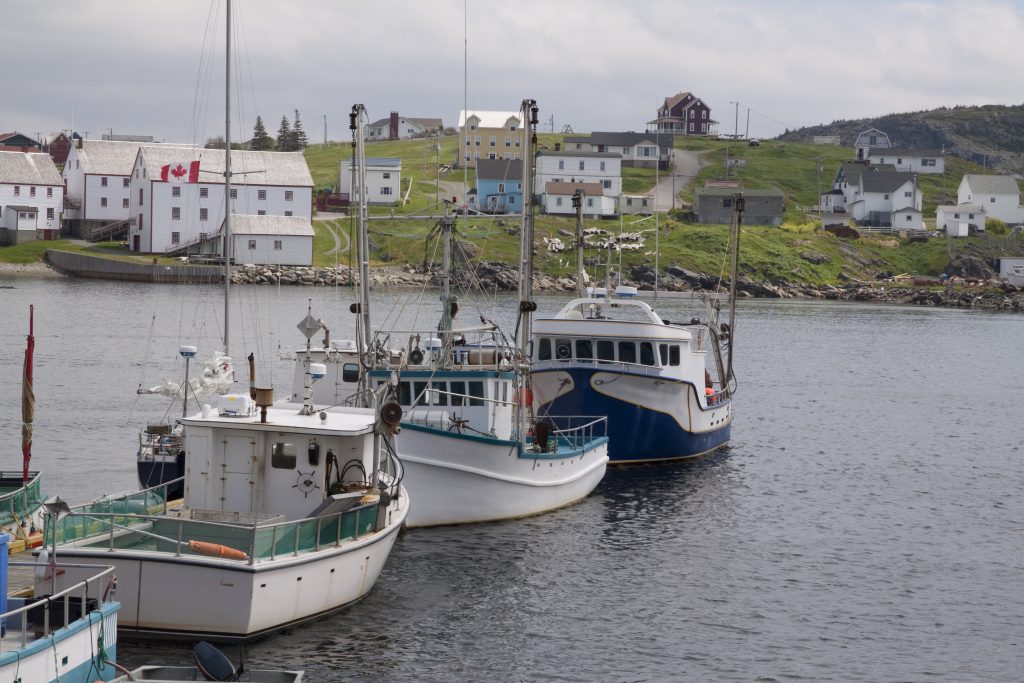
Boats with backdrop of homes & museum in Bonavista, Newfoundland, Canada

Who Discovered Nfld

There are recent discoveries of a Norse prescence in the area around 1000ad. This was in and around the northern tip of the province, at L’anse aux Meadows. However; for many years all historical recordings of settlers to the area were documented once John Cabot was in the area; in 1497. At this time; his trip to the area was commissioned by the King of England to discover new lands. Shortly thereafter; many European fishing vessels expanded their fishing to the area. Word soon spread that Newfoundland had the best fishing in all of the great North Atlantic. Cod became King!

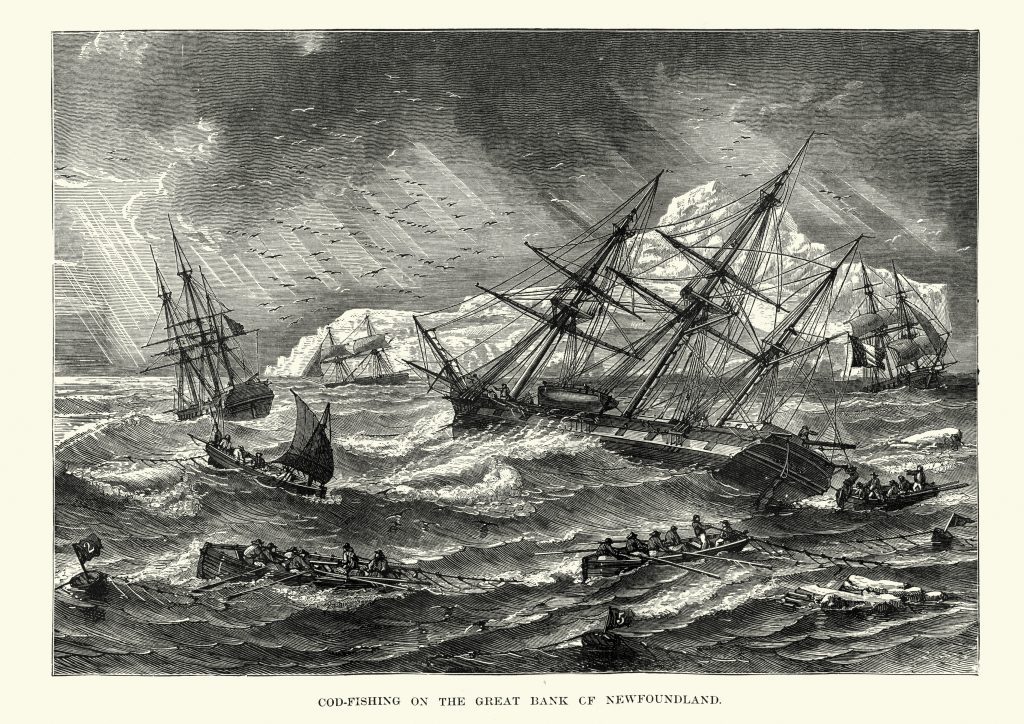
Vintage engraving showing fishermen fishing for cod on the Great Bank of Newfoundland, 19th Century

Supply and Demand

Cod was in abundance! The fishing industry had the potential for great prosperity. Naturally the cod had to be dried and salted before being sent back over the Atlantic. So as a result of the supply and demand; many seasonal settlements began appearing all around the Island’s coast. Fishing and export was booming!

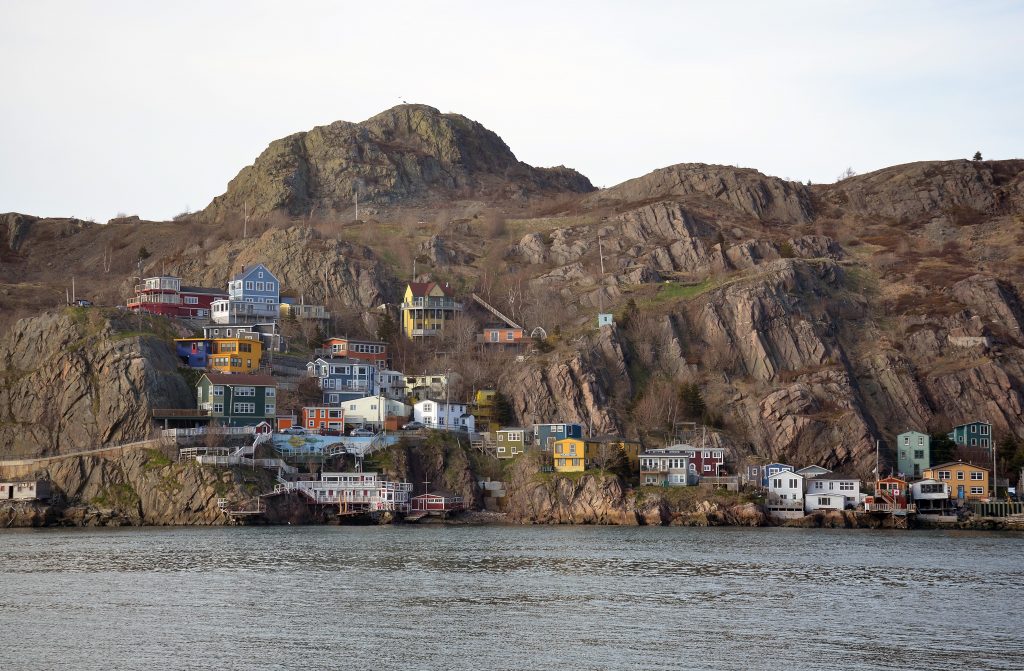
Houses perched on the flanks of the cliff of the Battery at the entrance to St. John’s harbor, Newfoundland and Labrador.

Cod is King

England realized that fishing was a major resource here. They sent Sir Humphrey Gilbert to the easterly coast of St. John’s in 1538. He formally took posession of the island for England. France; also wanting a piece of the action, appointed their own governor. He set up operations in Placentia; in 1655. So there you have it! A major international stand off between two major world powers. Whoever controlled the Island would control the fishing industry.

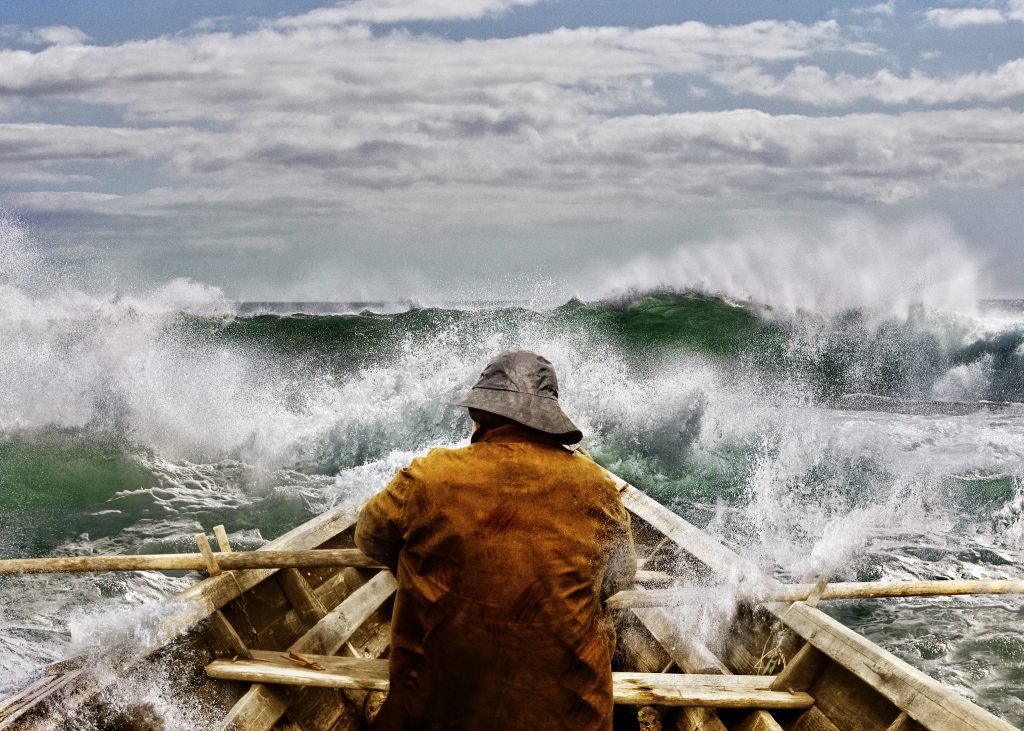
Old man and the sea, in a rowboat or skiff paddling and fighting the waves of the ocean.

Treaty of Utrecht

European people were wanting to emmigrate to the area because of the opportunities presented. They were reluctant due to the political situation between the French and the English. Nothing was settled until 1713 when the French signed the Treaty of Utrecht. This treaty gave the French the right to land and cure fish on the western coast of Newfoundland only. It also gave them the island if St. Pierre and Miquelon on which to set up a permanent base. Port Royal; in present day Nova Scotia, fell to the English in 1710. England then controlled the whole of the North Atlantic Coast. As a result they controlled the fishing industry.

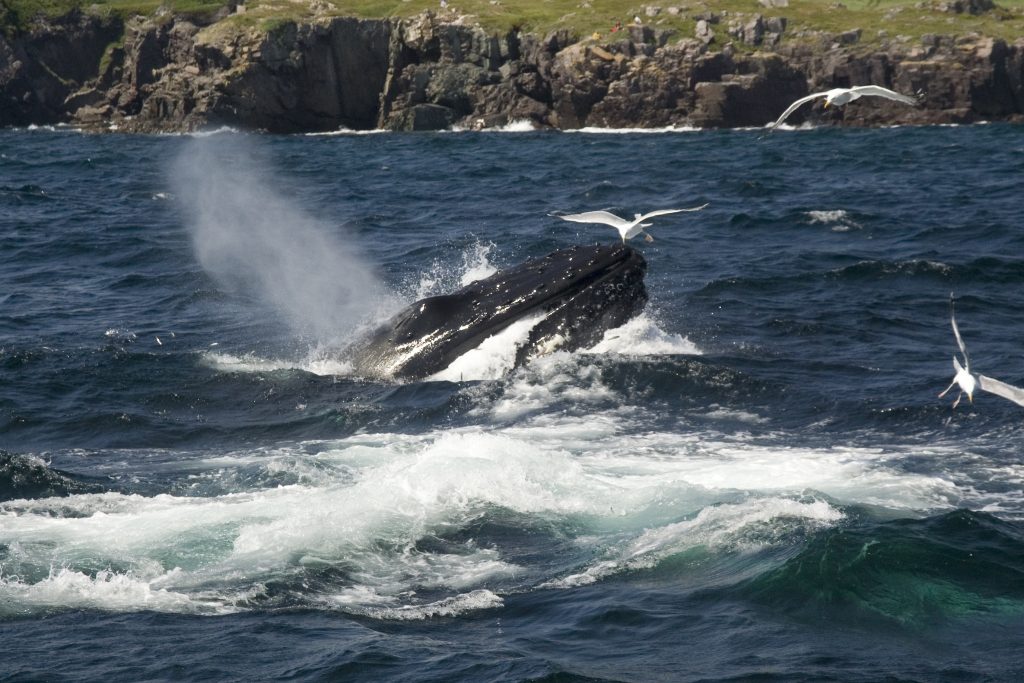
A Humpback Whale

Coastal Settlers

The English settlers soon began emmigrating to Newfoundland. However; the process was slow due to the haphazard economy and lack of infrastructure on the island. It was not until the 1800’s that things picked up. A banking system was established and prosperity was booming. Emmigration to Newfoundland increased extensively all along the Islands coastal waters. The Irish began to flock to the area during the Potato Famine and soon made up 40% of the population. Even today Newfoundland has about 80% of its population within a stones throw of the coast. This leaves a vast part of the interior of the province undeveloped and under populated.

Kiss the Cod

Now in most areas, oil can drive an economy. But when you look at Newfoundland; the economy was driven by one little fish. COD! So what drove the emmigration in Newfoundland you say? Well now you know! That one little fish! So when you venture there; its tradition to honor their cod. Its the backbone of the economy and who they are. Honor the people with The Kissing of the Cod and become one with the Newfoundlanders.

Filed Under: Nfld/Lab Heritage Tagged With: Coastal settlers, Cod, Cod Industry, Irish in Nfld, Kiss the Cod, Treaty of Utrecht

  • « Previous Page
  • 1
  • …
  • 4
  • 5
  • 6
  • 7
  • 8
  • …
  • 10
  • Next Page »

View Shopping Cart | Store

JTS Design | Copyright 2019 - EastCoastSlangHeritage

Recent Posts

  • Fundy Trail Parkway
  • Homemade Biscuit
  • The Monument Lefebvre

Categories

  • East Coast Folklore
  • East Coast History
  • East Coast Kitchen Nonsense
  • East Coast Recipes
  • Life on the East Coast
  • NB Heritage
  • Nfld/Lab Heritage
  • NS Heritage
  • PEI Heritage
  • Slang History

Archives

  • July 2022
  • June 2022
  • May 2022
  • February 2021
  • January 2021
  • November 2020
  • October 2020
  • July 2020
  • June 2020
  • April 2020
  • March 2020
  • February 2020
  • January 2020
  • December 2019
  • November 2019
  • October 2019
  • September 2019
  • August 2019
  • July 2019
  • February 2019