East Coast Heritage

East Coast Heritage and Sayings

  • East Coast Heritage
  • East Coast History
  • East Coast State of Mind Shop
  • About Me
    • Contact
  • Posts
  • East Coast Sayings

Powered by Genesis

Pond Hockey

Leave a Comment

Hockey

History

HOCKEY! Pond Hockey! It surely is one of our great Canadian national sports! How did it come about? Well; it all started in Europe as a simple stick ball game played on outdoor fields. It soon evolved into ice hockey when this side of the pond became populated. In our early years; our country had mainly a rural population and the people needed to have recreational games all winter long. We had ice on our frozen waterways everywhere and we had skates! Pond Hockey was soon developed from the game of stick ball. It is said that this modern game of Hockey had origins in Windsor, Nova Scotia; around 1810, when the English military were stationed there. This could be but I am sure variations of the game were being played over the years in many areas. Never the less the good ol’ game of hockey became a popular sport!

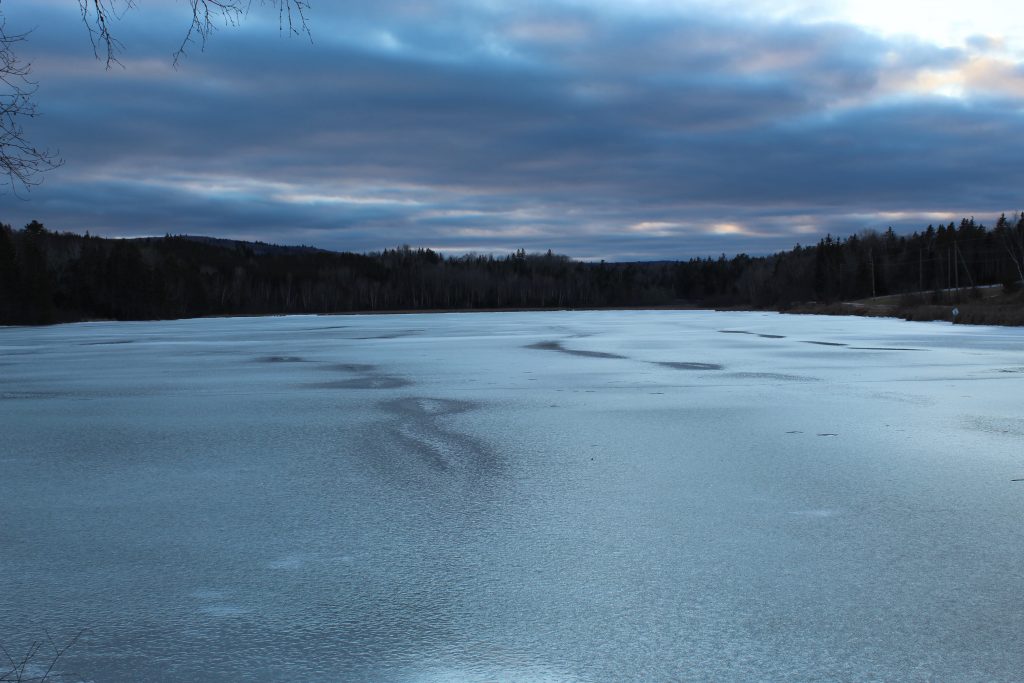
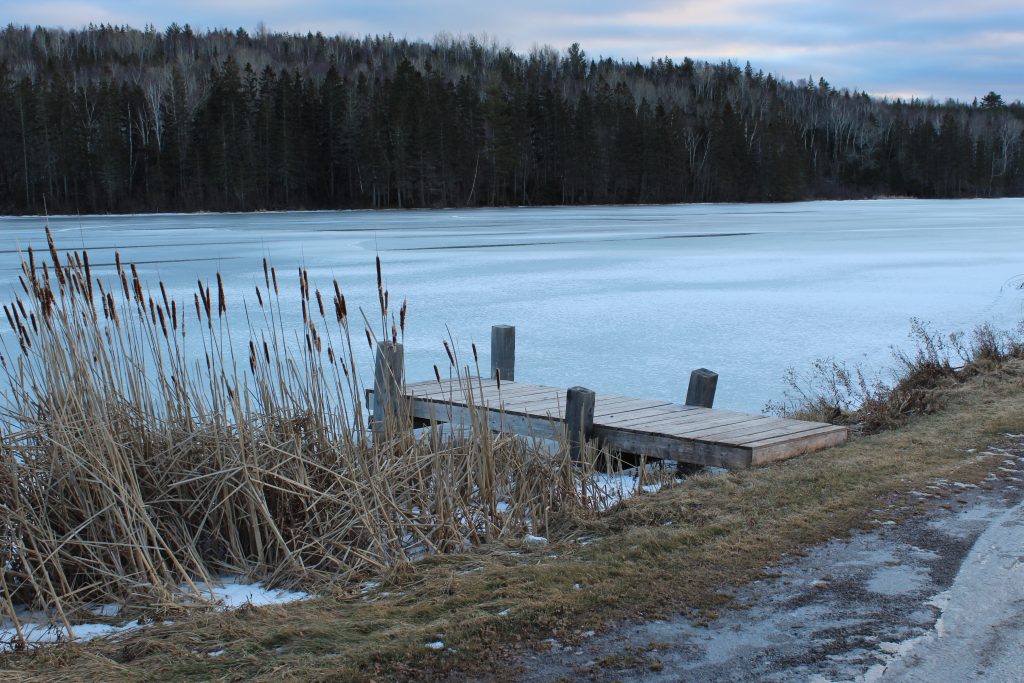
Frozen Pond

Play Hockey

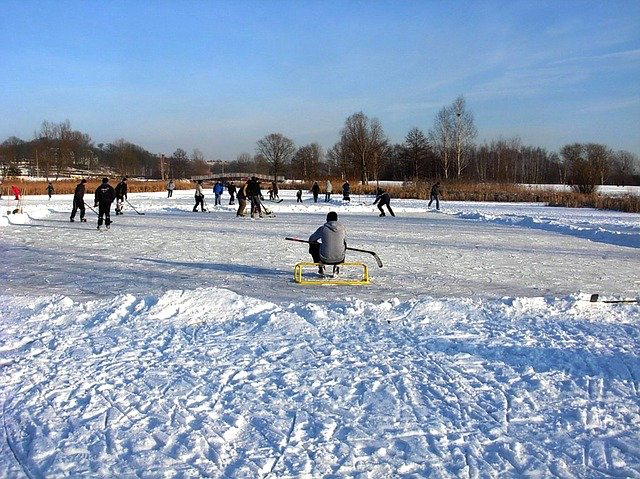
Once the colder temperatures set in and the ice was thick enough; people everywhere gathered on the frozen patches to play this game. Teams were picked from whoever showed up at the time. All you needed was markers for a goal line, a stick, a block of wood, a pair of skates, some buddies and a smooth patch of ice! The objective was to just score and the only rule was for one team to score more than the other. Now what’s better than playing a game of pick up hockey; on a frozen pond, with yer buddies! (Pucks were only invented in the late 1800’s so a ball or a block of wood was used instead.) They would play from morning ’til night with players coming and going as the day went on. There was no real coaching and yer skills were developed by trying to hold onto that block of wood, passing it to a teammate and trying to make a great score!
Hockey

Hockey

Pond hockey really thrived until about the mid 1900’s when the population started a major shift to the cities. Ice hockey; as we know it, became a more organized sport in the late 1800’s. Teams were then formed by local sporting clubs, YMCA’s and Minor Hockey soon evolved. As a matter of fact; the NHL recruited some of the greatest hockey players of our time, that grew up playing pond hockey. It’s here that they really honed their skills. All for the love of the game!
Hockey Ready

Pick Up Hockey

Even today; somewhere out there during the winter months, there is a game of Pond Hockey going on. There is even an organized tournament for Pond Hockey lovers at the annual World Pond Hockey Championship in Plaster Rock, N.B. There is truely something special about playing Hockey outside on a frozen patch of ice; the way it was originated. Cold! Yes its cold! Your toes, your hands and your face are frozen but pay no mind. Equipment! Who needs it! Right! You call out; “no liftin'” after you get that puck in the shins! All in all it’s just good ol’ fun. Man, does it get any better!
Filed Under: Life on the East Coast Tagged With: Hockey, Pond Hockey

Logging on the East Coast

Leave a Comment

THE LOG DRIVES ON THE EAST COAST

When we think about the early settlers pioneering in the new lands on the East Coast; fishing and farming normally come to mind. This area was originally colonized for its fishing rights and the settlements here were developed all along the coastal areas. It was a good way to make a living. Settlers could sustain themselves and their families for about six months this way but what about the cold winter months? The answer lies within the lumber trade. Logging on the East Coast become a major way of life.

Logging Road

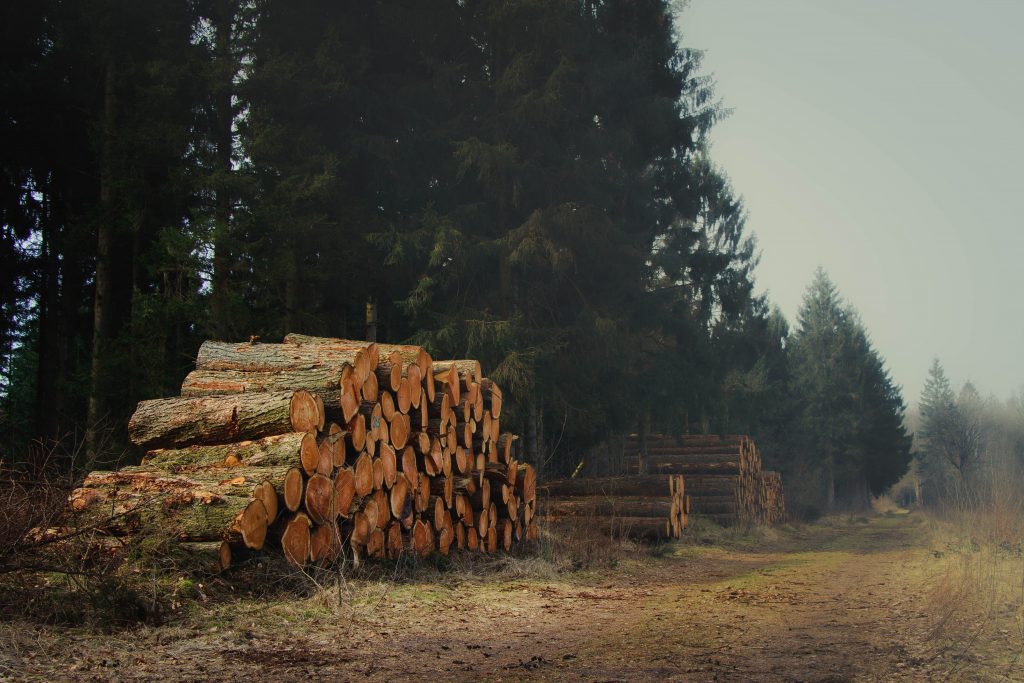
East Coast Forests

In the 1800’s; England was the world’s superpower and they had to maintain a vast navy and merchant marine . This was the era of the wooden ships and the problem was that they were running short on timber. Normally they would get their timber from Scandinavia but this was getting harder due to ongoing European wars. So they looked across the Atlantic to the East Coast. What a better place! The interiors of the East Coast colonies were one vast forest stocked full of the spruce and pine needed to construct their ships! A new industry was soon developed that could provide the much needed revenue for the settlers on the East Coast, over those harsh winter months.

East Coast Forests(flo222)

Lumber Camps

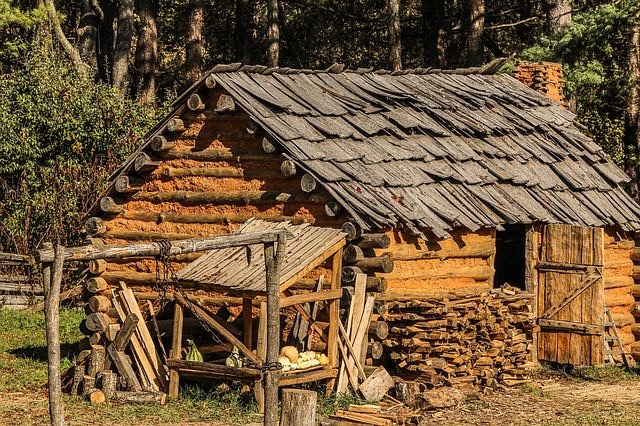
Lumber camps were quickly set up deep in these forests on the East. The camps were very primitive, one story structures constructed from logs. Most often a large one room space. Just imagine the living quarters! Both ends were lined up with beds and mattresses fashioned from tree boughs. The centre space had a long table for meals. A fire pit in the middle of the room would provide the heat. It was a very crude and cramped living space indeed! Where did they wash! Not an easy life for the men at all! Oh yes; and I imagine the slang! Bet it was pretty colorful!

Lumber Camp(JamesDemers)

However; the settlers were in need of work. They would head into the woods in late fall and there they stayed until late spring. Six days of the week and from sun up to sun down these men were cutting and stripping trees in their assigned areas. The days were long and the work was hard. Trees were felled by the axe then until the crosscut saw was introduced around 1870. At the days end; they all trudged back to camp to eat, play cards, get some sleep and prepare to start the day all over again. Liquor, for obvious reasons would not be allowed in these camps. It is hard to imagine enduring life like that back then.

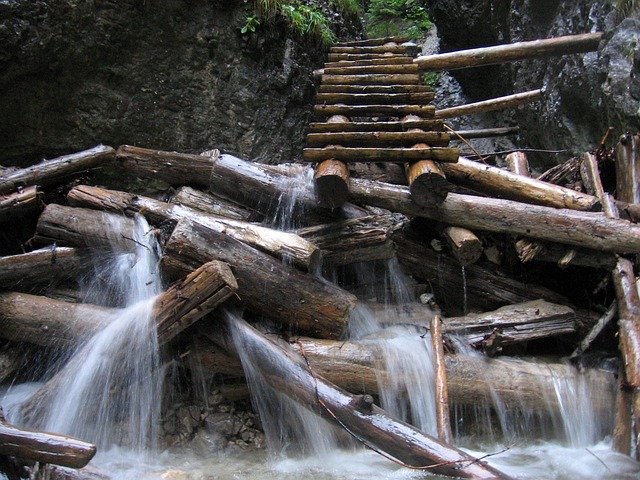
Logging slipway

Logging

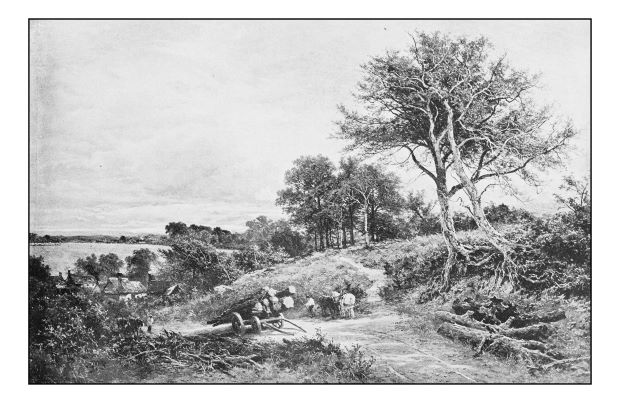
The next phase of the process was hauling these cut logs out to a a central depot known as a“ brow”. This gathering spot was located along the banks of a close by river or stream. The fresh cut logs were most often hauled out of the woods by horse and then manually loaded with pulley and chains onto sleds for transport. Surely back breaking work! But a good strong work horse was a big part of the team and certainly lightened the workload. This process was done by mid-winter because the snow was hard packed then and it was easier to transport the logs. Often time; as the winter wore on, the work crews grew smaller. Between the work, the unsanitary living conditions and the general remoteness of where they were, skedaddling for home was a common thing.

Early Logging Site

Log Driving

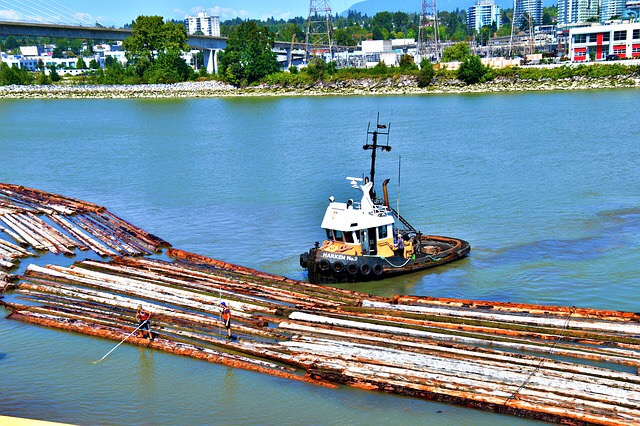
The final phase was the actual log drive. In the fall; dams would have been built upstream to hold back the water for when the spring freshet came. When the brows were ready and full of logs, these dams were opened up with dynamite and the backed up water could come rushing through. I tell ya; you had to be fast and you really had to know what you were doing. The water was flowing fast and you had to get the logs organized in it before the water level dropped back down. Log drivers rode the logs all along the river to keep the flow steady. Imagine this; these men jumped from log to log to managed the flow with a long graffling hook. Log jams down river were inevitable and would have to be broken up again with dynamite. The men who had these booms were a special breed and surely risked their lives in the process. All these logs were headed to the mouth of the river where the mill was set up. And the product was shipped abroad from there.

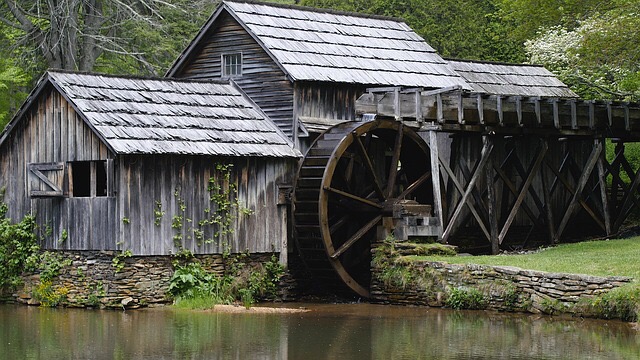
Early Sawmill

Logging Industry

These log drives continued to the middle of the last century (about 1950). By that  time; mechanization was in place. The logs were still transported by horse but to a nearby rail siding for transport to the mills; by train. By the early 1940’s; log trucks were equipped to haul the heavy loads. People thought that when the age of wooden ships ended, that logging would slow down but with the advent of pulp mills to make paper for newspapers and magazines; it really didn’t. Loggin was a profitable business in the East Coast. It was not until recently in the computer age that it all changed.

Logging Industry(dayamay)

I think back to those days and how hard it must have been to live that life! You worked hard all day at farmin’ or fishin’ and then head to the woods for six months for that backbreakin’ work! Its survival! It’s looking after your family! You really have to stop and think how good we have it; in this day and age. Be ever so thankful to our ancestors and our homeland!
 

Filed Under: East Coast History Tagged With: Log Camp, Log Drive, Logging, Logging Industry, Logging on the East Coast

Rum Running in Atlantic Canada

Leave a Comment

Imagine life on the East Coast of Canada in the 1920’s. Now imagine the coastal coves and inlets scattered throughout the waterways in the region. Its no wonder fishing was a big industry. Living life as an East Coast Fisherman was a tough job with great risk! To make a decent living you had to catch a lot of fish and then sell it all at a reasonable price; to the local processor. It was the processor that controlled your income! He’s the guy that made all the money! If you walked away with $100 a month you were doing well. All in all, it was a hardscrabble life for all involved.

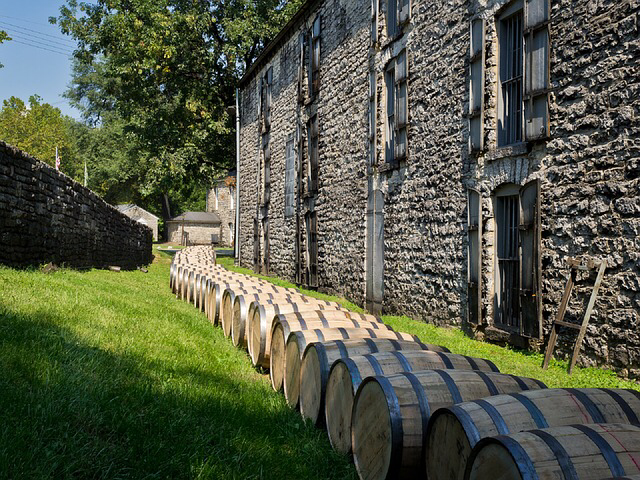
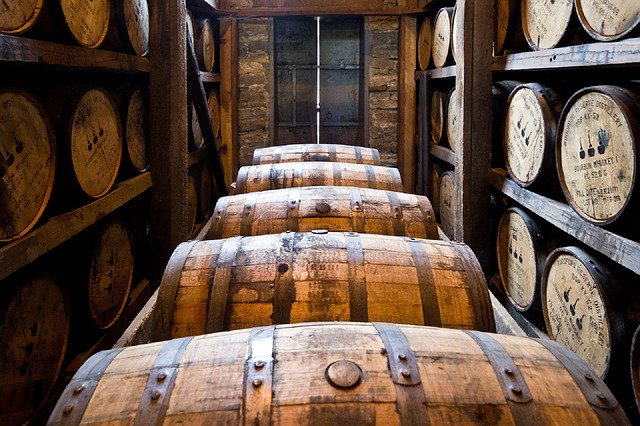
Kegs of Liquor(Ernest_Roy)

Prohibition

Now during these early years; legislation in the United States and Canada passed the law prohibiting the sale and consumption of all liquor. Societie’s members were divided in their faith to comply. Liquor was to become a very a hot commodity! It was all about supply and demand! A void to be filled by none other than the fishermen and the Black Market. Enter the Rum Runners of Atlantic Canada.

St. Pierre & Miquelon

So; now lets say you are a Canadian Distiller. During prohibition you can no longer export liquor to the United States but you can’t sell in Canada either. So to survive as a business; your only solution is to export your spirits to another country. In the North Atlantic region; there are two small islands just off the coast of Newfoundland, that were controlled by France. St Pierre and Miquelon. Now in St. Pierre; fishing was the only game in town and in the 1920’s the catches were way down. Fishing the area was usually profitable. France kept possession of this Island just for the fishing rights alone. One day; boats start showing up on the Island and they were wanting to buy liquor. Go figure! It was a sign of the times! Well a local guy; named Mr. Julien Moraze, soon figured it all out. Right away he built several warehouses portside and filled them with liquor bought mainly from Canadian Distilleries. Right then; there is a huge demand for liquor and St. Pierre is in the right place to satisfy it. All Julien had to do is figure out a way to transport it without getting caught by the American or Canadian authorities.

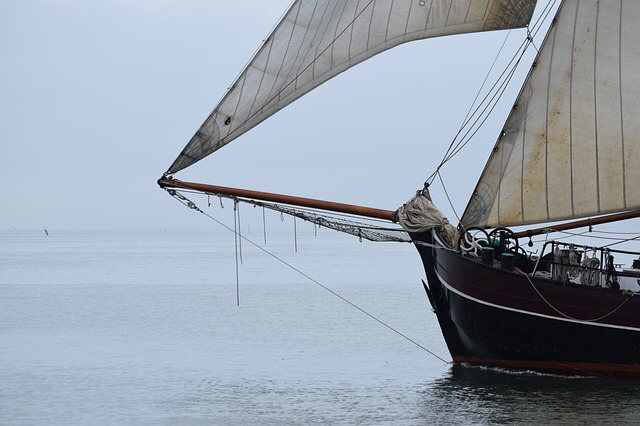
Fishing Schooner

Fishing in Atlantic Canada

Now lets step back to the local fishermen in Atlantic Canada making a living fishing and owns his own boat. One day your buddy tells you about the underground market running liquor from the French Islands. He says he is going to St. Pierre to buy the liquor and plans to sell it locally. He ventures out, loads up his boat and sells all that he can handle. Word soon spreads of his progress and the money at hand. Bingo! All of a sudden it seems like all the fishing boats were in on this deal. By God; in St. Pierre, Julien is grinning from ear to ear. He no longer has a transportation problem and doesn’t have to worry about gettung caught by the authorities. He ends up with a very profitable business! Of what he exports; 90% ends up going to the American Markets, in New York and Boston. The other 10% seems to end up in Atlantic Canada. Soon enough though; like most dealings in the underground world, the Mob and Al Capone eventually take over distribution and sales in the American Market. By this time Julien had made all the money he would ever need!

Atlantic Coast

Atlantic Canada

Let’s focus on Atlantic Canada. It would become prime smuggling territory. The peak years for Rum Running in Atlantic Canada were between 1923 and 1933. This became a way of life for many East Coasters. Is this part of your heritage? Are these your people! The laws prohibited the liquor but the provinces did not have the money nor the manpower to enforce the laws. Why not turn a blind eye, catch someone every now and then and levy fines. This became a whole new source of revenue for the provinces. The liquor market was so big that many of the local law enforcers were on the take themselves. Rum running was a booming business! It is said that at one time or another; 90% of the Lunenberg fishing fleet was involved in Rum Running. You can be assured that most ports had the same ratio. Most fisherman could make $500 a month running rum compared to about $100 fishing. Sure, you had to work a lot of nights but what the Hell, you had a family to feed. Many of the younger people got involved as Deckhands. The money was good but the sense of adventure was incredible.

As with anything; thinking changes and prohibition would come to and end. Many Atlantic Provinces repealed Prohibition by 1930. The United States repealed it by 1933. The governments soon took over the sales and distribution of all liquor because of the revenue it generated. Prince Edward Island did not repeal until 1948, It has been said that there were more Moonshiners per capita on the Island than anyplace else in the country.

Julien Moraze

You know; fortunes were made by a lot of people involved in Rum Running in Atlantic Canada. In my mind, the most money must have been made by good old Julien Moraze; back in St. Pierre. He was smart! He saw a great opportunity of the times and capitalized on that with minimal risks for himself!. Everything was done above board cause once he sold the liquor his hands were clean. No one seems to know what became of Julien who played a pivitol role in the start up years of Rum Running in Atlantic Canada. I like to think he sailed off to the Carribean and to a place called Margaritaville! I’m sure he lived out the rest of his life exactly the way he wanted to! And with fond memories of the small island in the Atlantic he called home!

Filed Under: East Coast History Tagged With: Atlantic Canada, Fishing in Atlantic Canada, Julien Moraze, Prohibition, St. Pierre & Miquelon

Frogs/Chocolate Macaroons

2 Comments

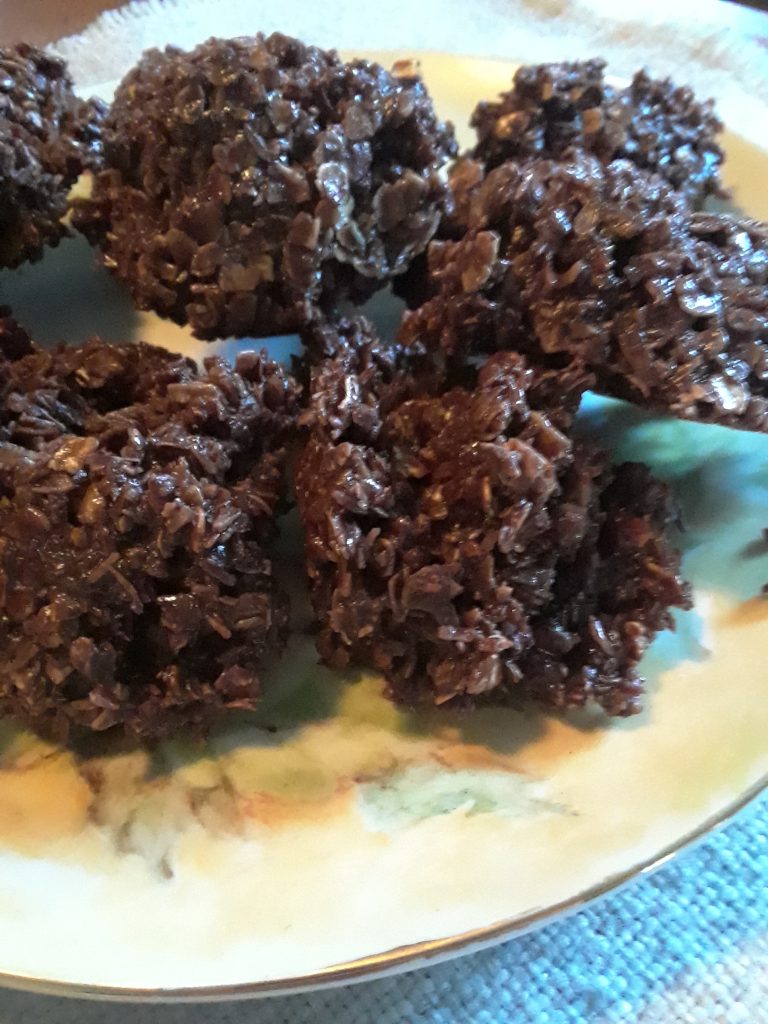
Frogs

Ingredients:

  • 2!/2 cups oatmeal
  • 1 cup coconut
  • 1/2 cup cocoa
  • 1/2 cup butter
  • 1/2 cup milk
  • 2 cups sugar
  • 1tsp vanilla

Method:

  • In a large bowl; mix together oatmeal,coconut and cocoa
  • Boil and dissolve: butter, milk and sugar (2minutes)
  • then add vanilla to the boiled mixture
  • Pour the liquid over the dry ingredients and stir(or vice versa)
  • roll into balls and place on cookie sheet lined with waxed paper.(I did it by the spoonful)
  • Cool it in the frig and keep in the frig covered
  • PS. I had to add a bit extra coconut to make the mixture stick together. Found it too moist.
  • Kids and big kids do so love them. Yum!

Filed Under: East Coast Recipes Tagged With: Chocolate Macaroons, Frogs

George (Flat Nose)Currie

Leave a Comment

The Prince Edward Island connection to Butch Cassidy and the Wild Bunch

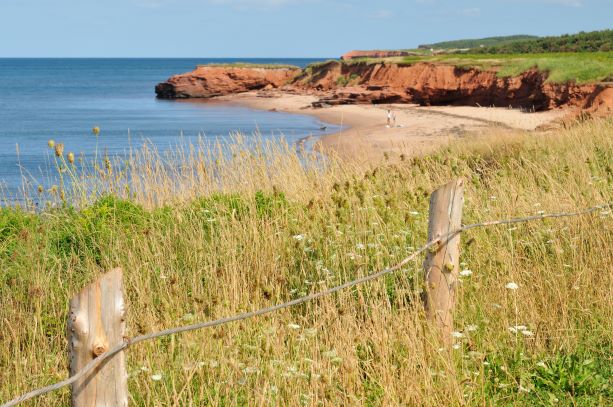
Beautiful PEI

The Wild Bunch Connection

When you think of the Island; you think of a pleasant place with beautiful beaches, lobster, horse racing, the potatoe industry, golfing and perhaps the sweet Anne of Green Gables. Butch Cassidy and The Wild Bunch, would not even come to mind. I guess it probably should cause George Currie was a prominent member of The Wild Bunch! He was born and raised right in West Point.

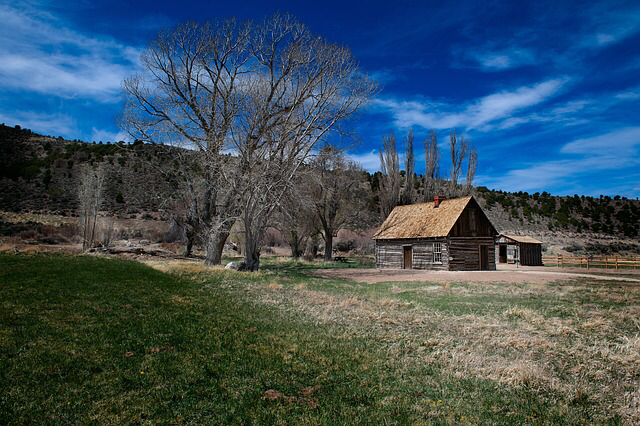
Homestead

Currie Family Homestead

West Point is a small settlement located on the south western part of the province. Today it is better known for the Cedar Dunes Provincial Park; now established there. In the 1870’s; it was probably home to fishermen and farmers settling the land.
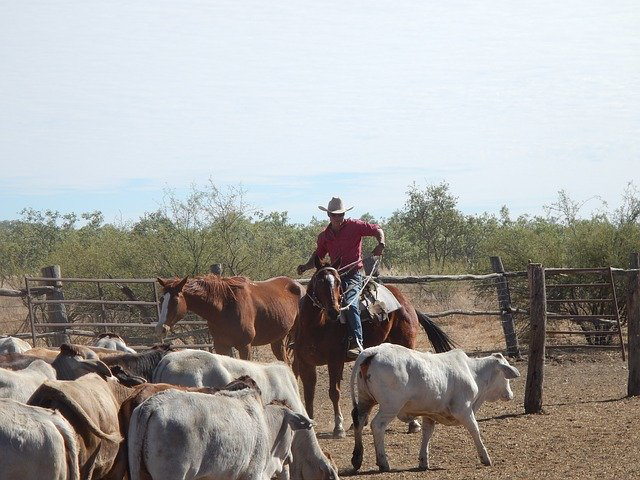
George Curry was the 2nd of six children; born in 1871, to John and Nancy Anne Curry. Around this time though; many young Maritimers were packing up and heading south to the Boston States to find work. John and Nancy Ann were no different. They ended up settling in Chadron, Nebraska. This was cowboy and farming country!

Butch Cassidy & The Wild Bunch

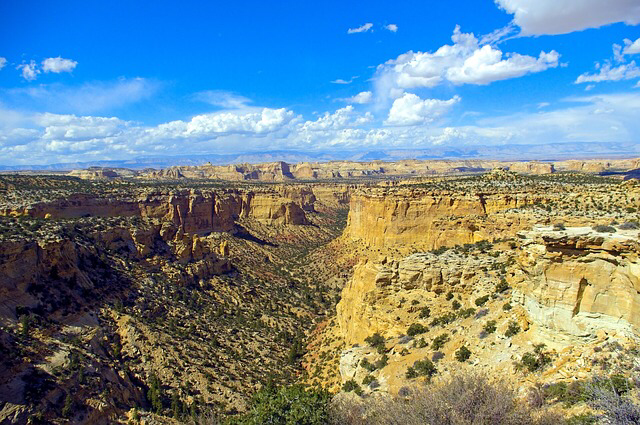
George spent his formative years here. Somehow he ended up working at a Utah ranch makin’ a livin’ cow punchin’(branding cows). This was where he got into his first scrape with the law. George got off easy on that charge and then drifted off to Wyoming. Somewhere along the way; George got kicked in the face by a horse. This was to severely alter his nose. You guessed it, he was rechristened as “Flat Nose”. By this time; Flat Nose was probably in his early twenties and rabble rousing was in his blood. He became bosom buddies with another rouser known as Harvey Logan.(aka Kid Curry) Well; together the rustlin’ and robbin’ grew. One day they were staying at a ranch near the Hole-in-the-Wall, Wyoming. This was a popular gathering spot for criminals that were hiding out from the law. Its here that they hooked up with Butch Cassidy and the Sundance Kid. Life now turned into rustlin’ and robbin’ trains, shoot outs and killings. The money was good and they extended their spree all over Wyoming, Montana and the Dakotas. They came famous and feared! The Law was soon onto them! The heat got so bad; that in the late 1890’s, the boys had to split up. George drifted back to Utah and picked up a job as a Cow Puncher again. 

Flat Nose Currie

To make ends meet and because russlin’ came easy to him; George picked up on his old habits. On April 17th, 1900; (in Grand County, Utah) it all caught up to him. He was evading the law once again and running from a posse. Well; George “Flat Nose” Curry; from West Point PEI, took a bullet that day and drew his last breath.

The Wild Bunch

You probably wonder what happened to the rest of them. Well Kid Curry was gunned down by a posse in Colorado in 1904. His grave is just a short distance from Doc Holliday’s; in Glenview Springs Colorado. If you saw the movie, you know that Butch and Sundance were killed by the federales in Bolivia in 1908.

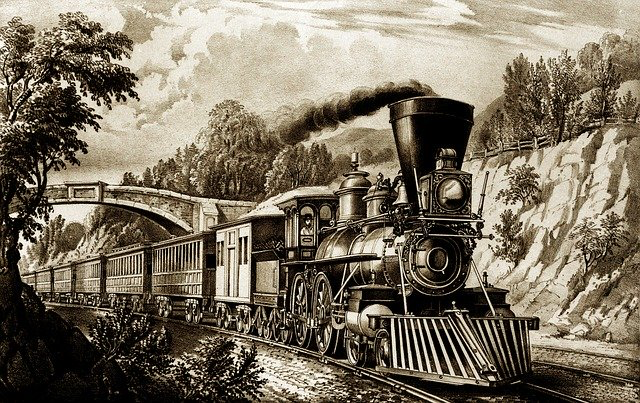
Old Steam Engine

All in all, it was a hell of a way to make a living for these boys. I wonder if George ever gave any thought to the quiet life he could have had! Fishin’ lobster off the south coast of Prince Edward Island? And maybe…just maybe…the Islanders were relieved!

Filed Under: PEI Heritage Tagged With: Butch Cassidy, Flat Nose Curry, George Curry, The Wild Bunch

  • « Previous Page
  • 1
  • 2
  • 3
  • 4
  • 5
  • 6
  • …
  • 10
  • Next Page »

View Shopping Cart | Store

JTS Design | Copyright 2019 - EastCoastSlangHeritage

Recent Posts

  • Fundy Trail Parkway
  • Homemade Biscuit
  • The Monument Lefebvre

Categories

  • East Coast Folklore
  • East Coast History
  • East Coast Kitchen Nonsense
  • East Coast Recipes
  • Life on the East Coast
  • NB Heritage
  • Nfld/Lab Heritage
  • NS Heritage
  • PEI Heritage
  • Slang History

Archives

  • July 2022
  • June 2022
  • May 2022
  • February 2021
  • January 2021
  • November 2020
  • October 2020
  • July 2020
  • June 2020
  • April 2020
  • March 2020
  • February 2020
  • January 2020
  • December 2019
  • November 2019
  • October 2019
  • September 2019
  • August 2019
  • July 2019
  • February 2019